
You know that satisfying crunch you crave when digging into a colorful bowl of goodness? That’s exactly what you’ll find in this Thai Peanut Sweet Potato Buddha Bowl! Combining roasted sweet potatoes with crisp broccoli and creamy avocado, all drizzled in a rich, homemade peanut sauce, this dish is a feast for both the eyes and the taste buds. Not only is it a delightful plant-based option for meal prep, but it also makes for a stellar crowd-pleaser during those busy weeknights. Whether you’re looking to spice up your lunch routine or simply want a healthy alternative to fast food, this bowl promises to be a comforting, wholesome choice. Ready to dive into a vibrant world of flavors and textures? Let’s get cooking!
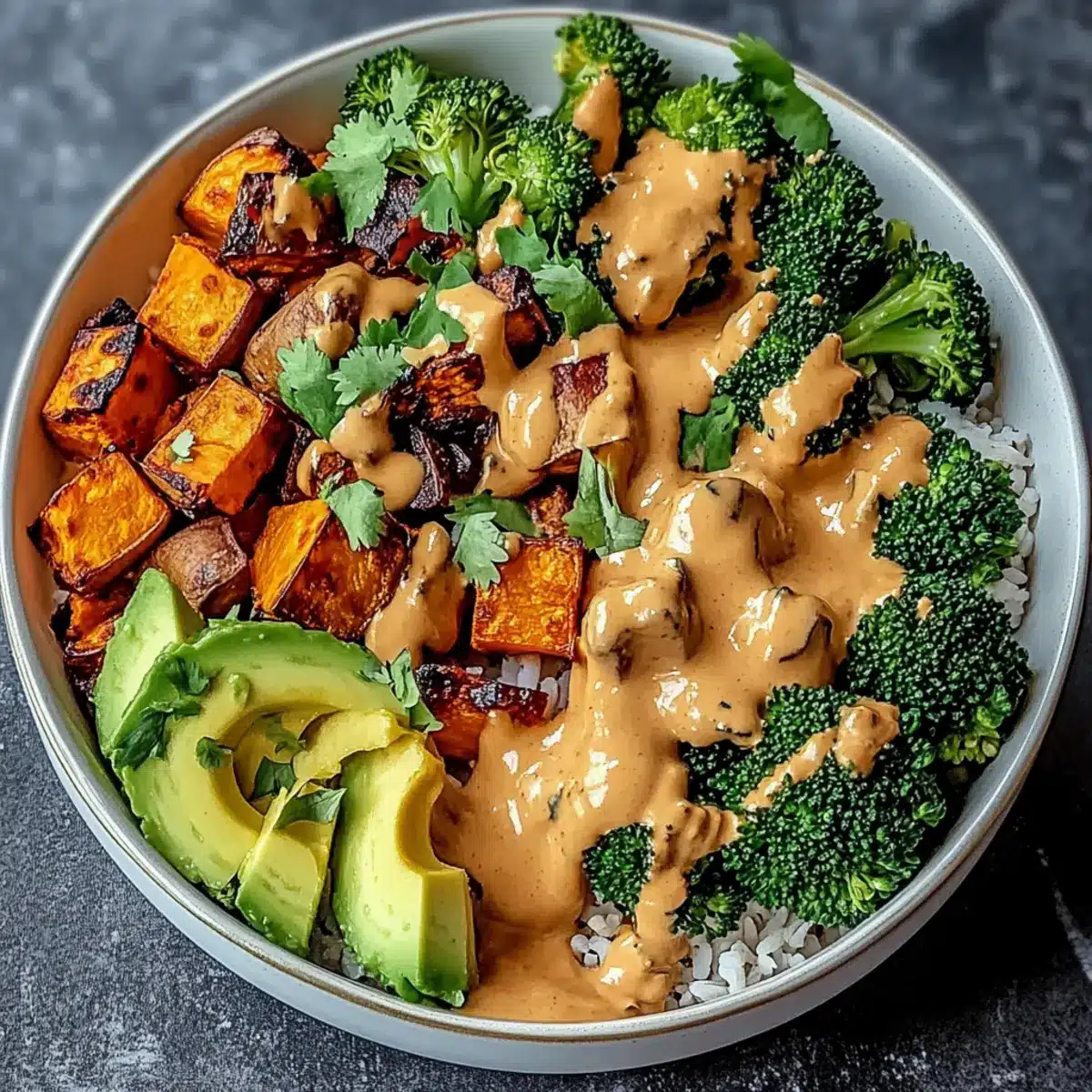
Why is this Buddha Bowl a must-try?
Vibrant Flavors: This Thai Peanut Sweet Potato Buddha Bowl bursts with a medley of tastes that excite every palate.
Customizable Ingredients: With various substitutes available, you can easily personalize it to match your favorite flavors or dietary needs.
Easy Meal Prep: Perfect for those busy weeknights, this dish is always meal prep-friendly, ensuring healthy eating is both simple and delicious.
Nutritious Option: Packed with fiber, healthy fats, and plant-based protein, each bite keeps you energized throughout the day.
Crowd Pleaser: Whether it’s a family dinner or a casual gathering, this bold bowl will impress everyone at the table.
Plus, if you’re looking to explore more creative uses for sweet potatoes, you might enjoy our delightful Sweet Potato Pie or some crunchy Chili Smashed Sweet potatoes!
Thai Peanut Sweet Potato Buddha Bowl Ingredients
For the Buddha Bowl
- Sweet Potatoes – The star ingredient; roasted for natural sweetness. Common substitute: Butternut squash for a similar texture.
- Olive Oil – Used for roasting the sweet potatoes to achieve perfect crispiness. Alternatively, avocado oil can be used for a higher smoke point.
- Salt & Pepper – Essential seasonings that enhance flavor. Adjust to taste.
- Broccoli Florets – Adds crunch and nutrition to the bowl. Cauliflower can be substituted for variety.
- Shredded Cabbage – Provides a fresh, crunchy texture; can be mixed or replaced with shredded Brussels sprouts. Any cabbage variety works well.
- Grated Carrots – Introduces sweetness and color. Radishes can substitute for a spicier kick.
- Avocado – Offers creaminess and healthy fats. Tahini or sunflower seeds can be used for nut-free versions.
For the Peanut Sauce
- Peanut Butter – The base of the peanut sauce for creaminess. Almond butter works as an excellent nut-free alternative.
- Soy Sauce – Adds depth and umami to the peanut sauce. Use tamari for gluten-free needs.
- Maple Syrup – Sweetens the peanut sauce, with agave syrup as a substitute for vegan options.*
- Lime Juice – Provides acidity that brightens flavors; lemon juice can be a substitute.*
- Sesame Oil – Adds a nutty flavor; omit if doing nut-free.
For Garnish
- Cilantro – Fresh herb to enhance the dish’s flavor; parsley can be a substitute.
- Chopped Peanuts – For garnish offering crunch and nutty flavor; replace with sunflower seeds for a nut-free option.
This Thai Peanut Sweet Potato Buddha Bowl not only captivates your taste buds but packs a nutritious punch as well!
Step‑by‑Step Instructions for Thai Peanut Sweet Potato Buddha Bowl
Step 1: Preheat the Oven
Begin by preheating your oven to 400°F (200°C). This temperature is perfect for roasting, allowing the sweet potatoes to become crispy on the outside while remaining tender on the inside. Prepare a baking sheet by lining it with parchment paper to ensure easy cleanup and prevent sticking.
Step 2: Prepare Sweet Potatoes
While the oven is heating, dice the sweet potatoes into uniform 1-inch cubes. In a large bowl, toss the diced sweet potatoes with olive oil, salt, and pepper until evenly coated. Arrange them in a single layer on the prepared baking sheet and roast for 25-30 minutes. Keep an eye on them; they should be golden-brown and slightly caramelized for optimal flavor.
Step 3: Mix Vegetables
While the sweet potatoes are roasting, take a large mixing bowl and combine your crunchy broccoli florets, shredded cabbage, grated carrots, and diced avocado. Toss gently until the ingredients are well mixed, allowing the vegetables to meld together. This mixture will add freshness and vibrant colors to your Thai Peanut Sweet Potato Buddha Bowl.
Step 4: Make Peanut Sauce
In a medium bowl, whisk together the peanut butter, soy sauce, maple syrup, lime juice, and sesame oil. Mix until the sauce is smooth and creamy, adjusting the consistency with a splash of water if needed. This rich peanut sauce adds depth to your Buddha bowl, creating a delightful harmony of flavors that perfectly complements the roasted sweet potatoes.
Step 5: Assemble the Bowl
Once the sweet potatoes are done roasting, it’s time to assemble your Thai Peanut Sweet Potato Buddha Bowl! Begin by layering the mixed vegetables in the bottom of a bowl. Top them with the roasted sweet potatoes, making sure to distribute them evenly. Drizzle the creamy peanut sauce generously over the entire bowl to enhance every bite with delicious flavors.
Step 6: Garnish & Serve
Finally, garnish your Thai Peanut Sweet Potato Buddha Bowl with fresh cilantro and a sprinkle of chopped peanuts for added texture. These final touches not only elevate the dish’s appearance but also enhance its delightful crunch. Serve immediately to enjoy the vibrant medley of flavors at their freshest!
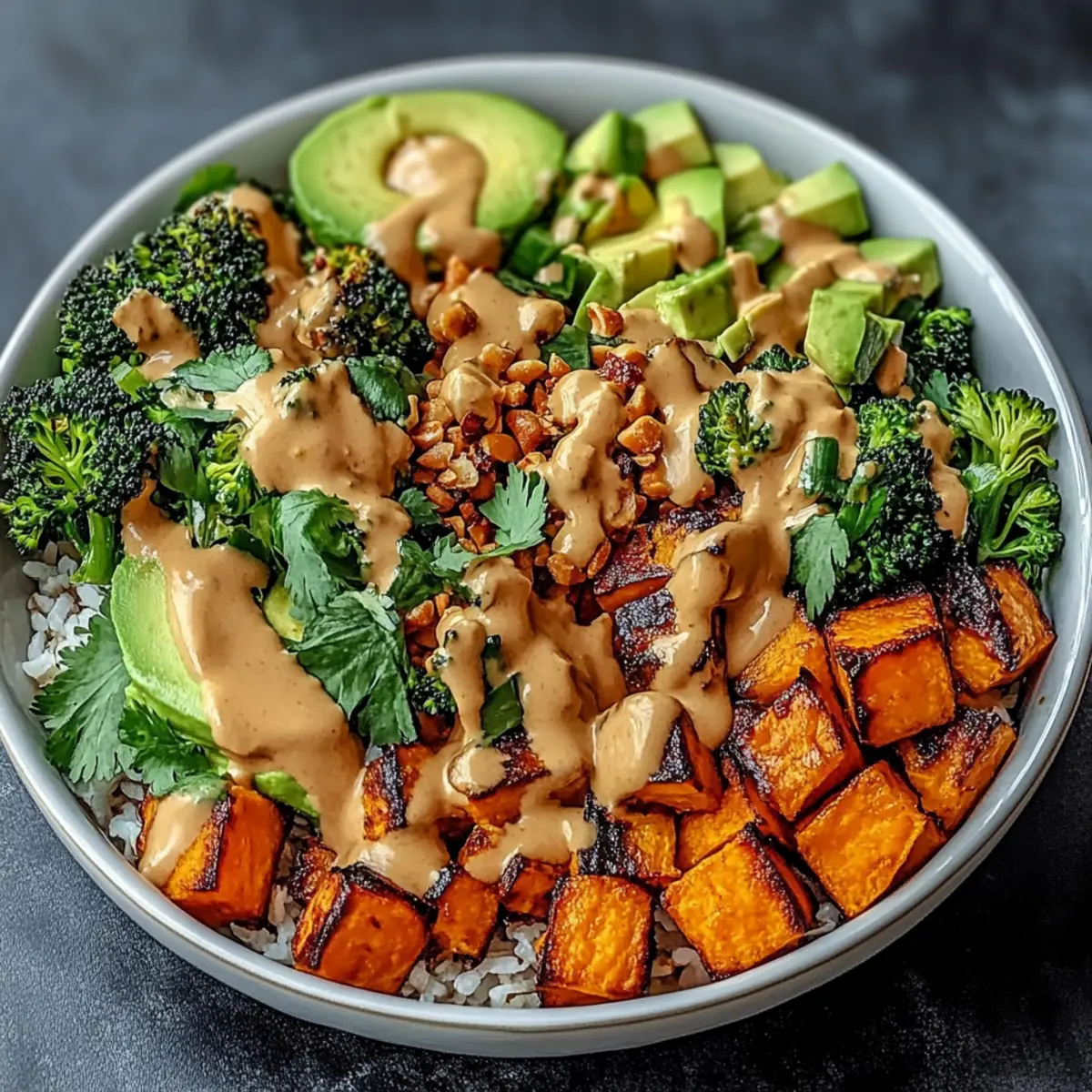
Expert Tips for Thai Peanut Sweet Potato Buddha Bowl
-
Uniform Dicing: Ensure sweet potatoes are diced into similar sizes. This promotes even roasting, allowing all pieces to cook perfectly without some burning while others remain undercooked.
-
Cool Before Assembling: Allow the roasted sweet potatoes to cool slightly before mixing them into the bowl. This helps maintain their crispiness, ensuring every bite is delightful and satisfying.
-
Adjust Sauce Consistency: If your peanut sauce is too thick, gradually add cold water until you reach your desired consistency. This keeps your Thai Peanut Sweet Potato Buddha Bowl balanced and not overly heavy.
-
Explore Substitutes: Don’t hesitate to swap in your favorite vegetables or nut butters! This recipe’s customizable nature makes it adaptable to personal taste preferences and dietary needs.
-
Layering Technique: When assembling the bowl, layer ingredients thoughtfully. Place denser ingredients like sweet potatoes on top of lighter ones, creating an appealing presentation and ensuring every scoop contains all flavors.
-
Garnish Generously: Don’t skimp on garnishes like cilantro and chopped peanuts. They add freshness and textural contrast that elevates your Thai Peanut Sweet Potato Buddha Bowl to a new level!
Thai Peanut Sweet Potato Buddha Bowl Variations
Feel free to get creative with this delicious dish, as the possibilities for customization are endless!
-
Spicy Kick: Add a drizzle of sriracha or chopped chilies to the peanut sauce for a fiery twist that elevates the flavor profile.
-
Extra Protein: Toss in grilled chicken, crispy tofu, or roasted chickpeas to amp up the protein content, making this bowl even more filling.
-
Colorful Veggie Blast: Incorporate vibrant bell peppers, zucchini, or snap peas for an added crunch and a pop of color.
-
Grain Base: Swap the veggies for a hearty base of cooked quinoa or brown rice, giving your Buddha bowl a wonderful nutty flavor.
-
Fresh Herb Twist: Experiment with herbs! Swap out cilantro for fresh mint or basil to bring a refreshing change to the dish.
-
Nutty Variation: For a nut-free option, replace peanut butter with tahini or sunbutter, ensuring you still achieve that creamy texture without the peanuts.
-
Cabbage Alternatives: Use fresh arugula or spinach instead of shredded cabbage for a lighter, more peppery flavor that pairs beautifully with the peanut sauce.
If you’re looking for more delicious sweet potato recipes, consider enjoying our Sweet Potato Pie or trying out our Stuffed Sweet Potatoes with Burrata, Toasted Walnuts, and Sage Pesto.
Storage Tips for Thai Peanut Sweet Potato Buddha Bowl
-
Room Temperature: It’s best to serve your Buddha bowl immediately after assembly to enjoy the optimal freshness of flavors and textures. If left out, consume within 2 hours.
-
Fridge: Store components separately in airtight containers. Roasted sweet potatoes will last up to 3 days in the fridge, while mixed veggies should be assembled right before serving for maximum crunch.
-
Freezer: You can freeze leftover roasted sweet potatoes for up to 2 months. Allow them to cool completely, then store in a freezer-safe container. Thaw in the fridge before reheating.
-
Reheating: For reheating, place the sweet potatoes in a preheated oven at 350°F (175°C) for about 10-15 minutes or until heated through, ensuring they regain their crispiness.
Make Ahead Options
These Thai Peanut Sweet Potato Buddha Bowls are perfect for busy cooks looking to streamline meal prep! You can roast the sweet potatoes up to 3 days in advance and store them in an airtight container in the refrigerator to keep their great taste and texture. Additionally, you can chop and combine the mixed vegetables and store them separately to maintain their freshness until serving. When you’re ready to enjoy this nutritious meal, simply reheat the sweet potatoes in the oven or microwave, assemble the bowl with the veggies, and drizzle on the peanut sauce. This way, you’ll have a vibrant, delicious meal ready in just minutes!
What to Serve with Thai Peanut Sweet Potato Buddha Bowl
Imagine a beautifully balanced meal that dances with vibrant flavors and textures, perfectly complimenting each other on your plate.
-
Cucumber Salad: Light and refreshing, this salad adds a crisp crunch that contrasts beautifully with the creamy avocado and sweet potatoes.
-
Quinoa Pilaf: Nutty and satisfying, a warm quinoa pilaf not only enhances the protein content but introduces delightful earthiness to your Buddha bowl.
-
Spicy Thai Mango Salad: This tangy, slightly sweet salad brightens the meal with tropical flavors that play off the rich peanut sauce.
-
Roasted Brussels Sprouts: Adding a touch of caramelization, these savory bites provide a bitter crunch that balances the dish’s creamy elements.
-
Peach Iced Tea: A refreshing drink that pairs wonderfully with the spices of the peanut sauce, making each bite even more enjoyable.
-
Chocolate Avocado Mousse: For dessert, this rich, velvety treat is the perfect finish, echoing the creamy avocado in your bowl while satisfying your sweet tooth.
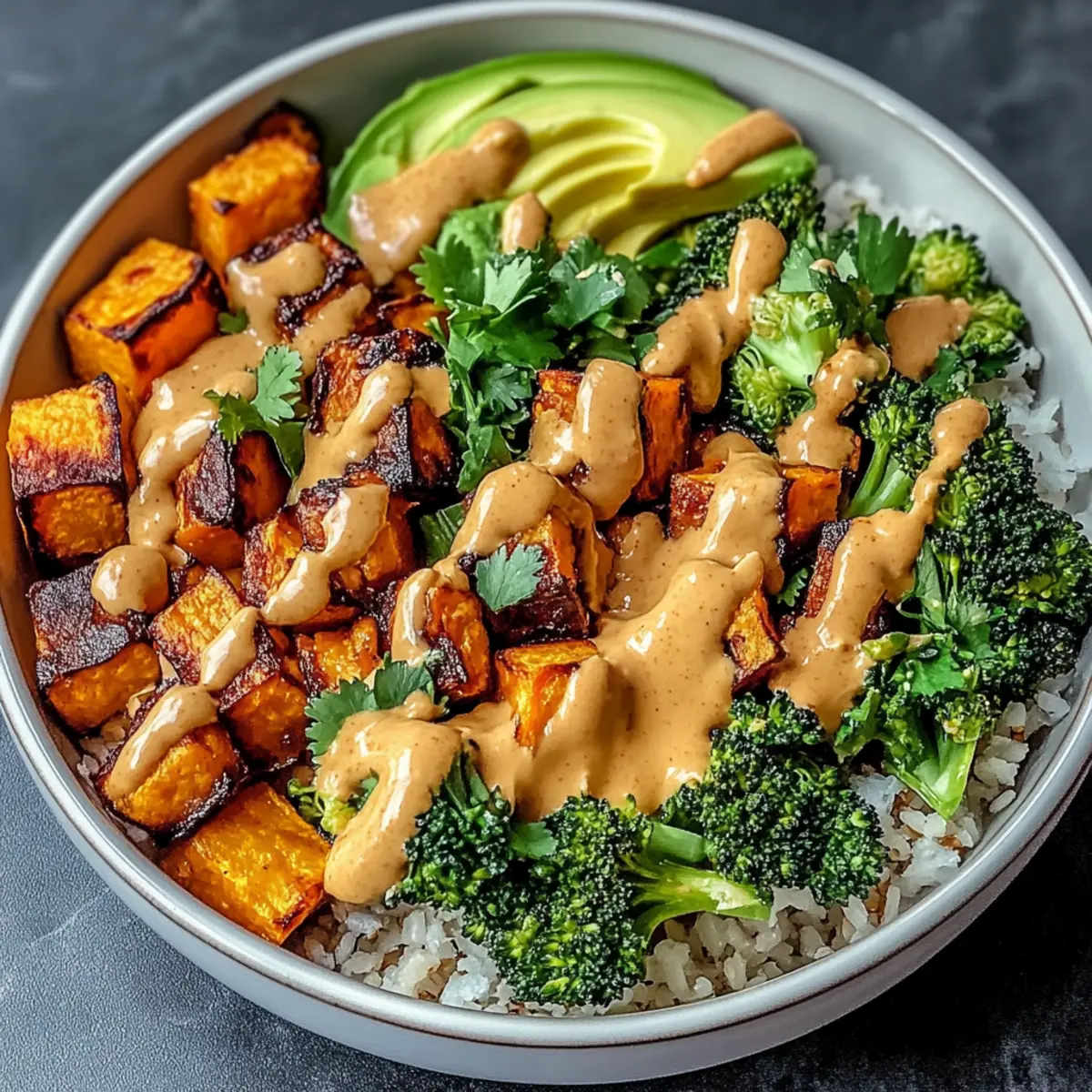
Thai Peanut Sweet Potato Buddha Bowl Recipe FAQs
How do I choose ripe sweet potatoes?
Absolutely! Look for sweet potatoes that are firm to the touch and free from dark spots or soft areas. A good sweet potato will have smooth skin without blemishes, and it should feel heavy for its size. If you see any dark spots or wrinkles, those are signs of age.
What’s the best way to store leftovers of the Buddha Bowl?
Very! For optimal freshness, store the components separately in airtight containers in the fridge. The roasted sweet potatoes will stay fresh for up to 3 days, while the mixed veggies should remain cool and unassembled to preserve their crunch. When ready to enjoy, simply reassemble and drizzle with the peanut sauce!
Can I freeze the sweet potatoes from the Buddha Bowl?
Yes, you can! Allow the roasted sweet potatoes to cool completely before placing them in a freezer-safe container or a zip-top bag. They can be frozen for up to 2 months. When you’re ready to use them, thaw in the fridge overnight, or heat them directly from frozen in a preheated oven at 350°F (175°C) for about 15-20 minutes until warmed through.
Why are my sweet potatoes not crispy after roasting?
Oh no! If your sweet potatoes aren’t crispy, it might be due to them being overcrowded on the baking sheet. Make sure to spread them out in a single layer, as crowded potatoes will steam rather than roast. Also, ensure they are coated lightly with oil; too much oil can lead to sogginess. Try roasting them at a higher temperature or for a longer duration if they’re not cooking through.
Is this Buddha Bowl gluten-free?
Absolutely! Just make sure to use tamari instead of soy sauce to keep it gluten-free. Most of the other ingredients are naturally gluten-free, but do check labels for any processed items.
Can I use different vegetables in the Buddha Bowl?
The more the merrier! Feel free to customize this dish with your favorite veggies like bell peppers, zucchini, or snap peas! Just remember that some veggies may require different cooking times, so adjust accordingly to keep everything perfectly roasted.
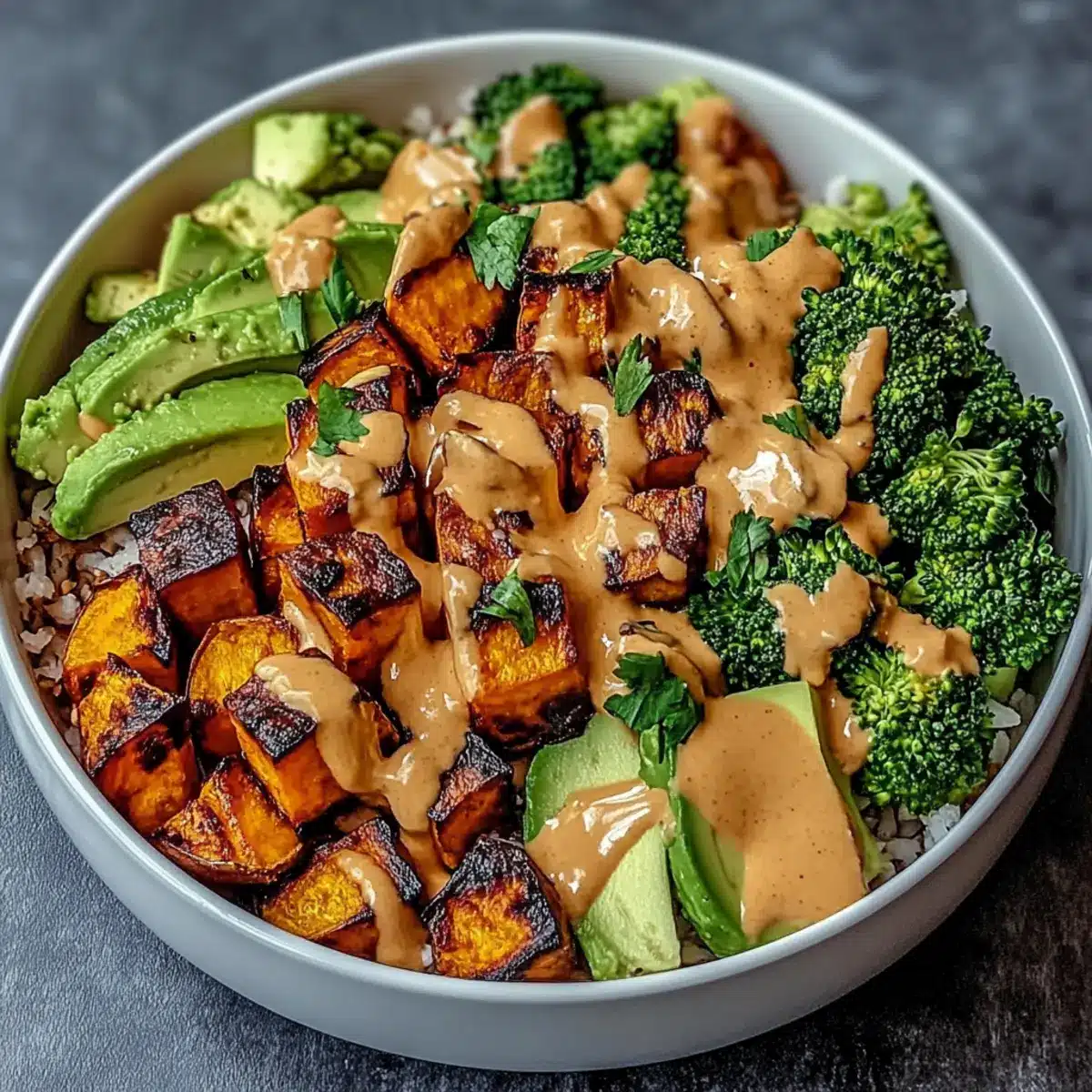
Thai Peanut Sweet Potato Buddha Bowl for Flavorful Meal Prepping
Ingredients
Equipment
Method
- Preheat the oven to 400°F (200°C) and line a baking sheet with parchment paper.
- Dice the sweet potatoes into uniform 1-inch cubes and toss with olive oil, salt, and pepper. Roast for 25-30 minutes.
- In a mixing bowl, combine broccoli, cabbage, grated carrots, and avocado, and toss gently.
- In a medium bowl, whisk together peanut butter, soy sauce, maple syrup, lime juice, and sesame oil until smooth.
- Assemble the bowl by layering mixed vegetables, roasted sweet potatoes, and drizzling peanut sauce over the top.
- Garnish with fresh cilantro and chopped peanuts before serving.
Leave a Reply