
Stepping into my kitchen often feels like embarking on a culinary adventure, and today, that journey leads us straight to the sunny shores of Thailand with this heavenly Thai Coconut Custard. The moment I whip up this easy, creamy dessert, the fragrant notes of coconut and vanilla transport me to a tropical paradise. What I love most about this recipe is how it effortlessly caters to everyone—whether you’re looking for a dairy-free delight or a scrumptious vegan option, it’s a true crowd-pleaser. This silky custard, with its lush texture, is perfect for any occasion, from festive gatherings to cozy family dinners. Are you ready to bring a taste of Thailand into your home? Let’s dive into the magic of creating this irresistible dish together!
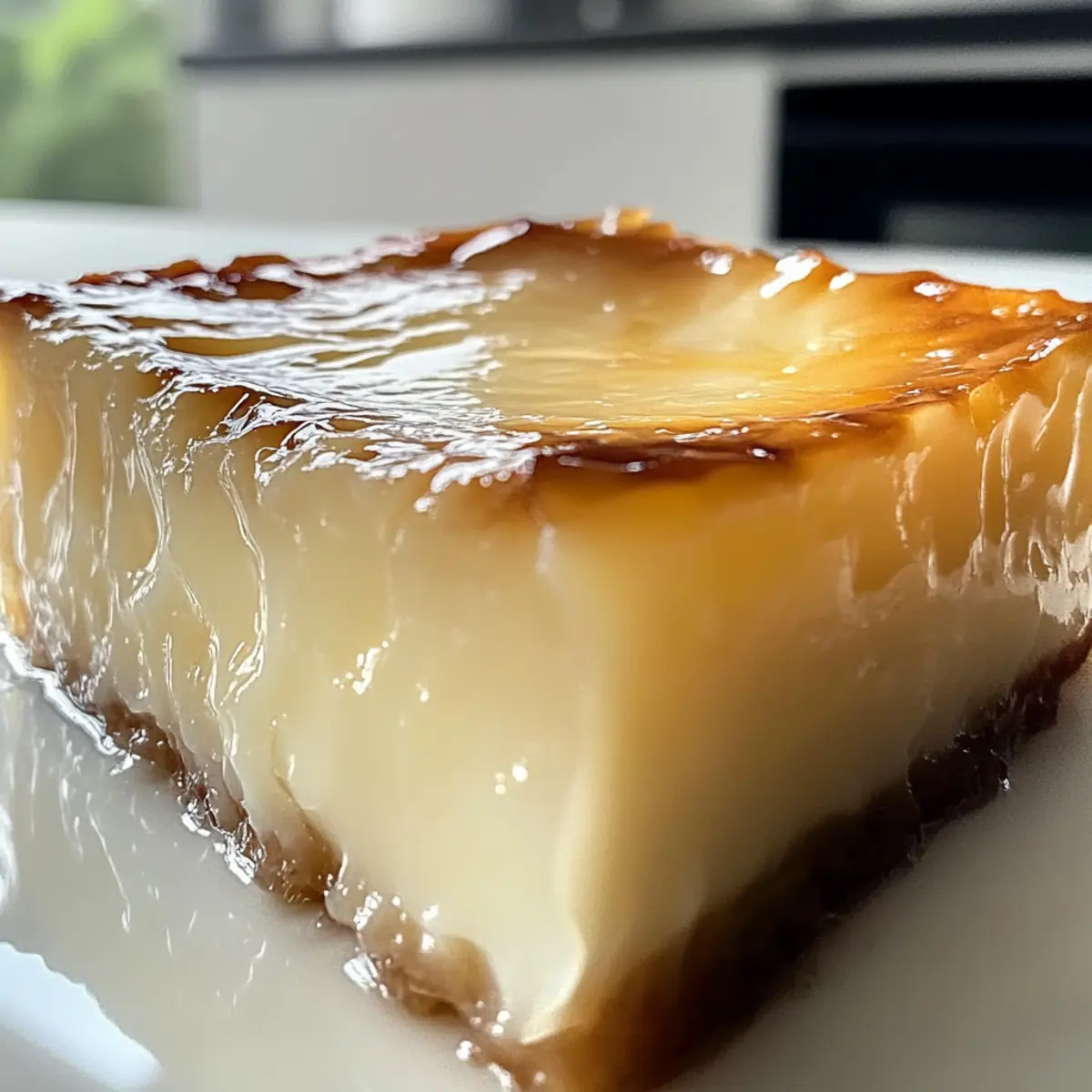
Why is Thai Coconut Custard a Must-Try?
Tropical Escape: Experience the essence of Thailand from your kitchen with this easy, creamy dessert.
Dairy-Free & Vegan Options: Whether you’re avoiding dairy or embracing veganism, this custard adapts to fit your needs effortlessly.
Velvety Texture: Each bite is lusciously smooth, reminiscent of freshly made ice cream, perfect for impressing guests or treating yourself.
Quick Preparation: With simple ingredients and straightforward steps, you’ll have this custard ready to bake in no time.
Crowd-Pleasing Delight: Ideal for any occasion, serving it with fresh mango or toasted coconut takes it to the next level—everyone will love it!
For delicious variations, don’t forget to check out Coconut Toffee Chocolate and elevate your dessert game further!
Thai Coconut Custard Ingredients
For the Custard
• Large Eggs – Provides richness and structure; substitute with 1/2 cup silken tofu blended with 1 tbsp cornstarch per egg for a vegan option.
• Coconut Milk – Delivers a creamy texture and rich coconut flavor; ensure it’s full-fat for the best result.
• Palm Sugar – Adds a unique caramel-like sweetness; can be substituted with brown sugar if needed.
• Salt – Enhances the sweetness and is essential for flavor balance.
• Vanilla Extract – Offers aromatic notes; pure vanilla is recommended for best flavor.
• Pandan Leaves (Optional) – Infuses aroma during baking; remember to remove before serving.
For the Optional Topping
• Sticky Rice (Optional) – Adds texture beneath the custard; soak beforehand for optimal results.
• Fresh Mango – A fruity complement that brings a refreshing contrast to the custard’s sweetness.
• Toasted Coconut Flakes – Provides a delightful crunch and extra coconut flavor.
Diving into these Thai Coconut Custard ingredients will inspire you to create a tropical masterpiece right at home!
Step-by-Step Instructions for Thai Coconut Custard
Step 1: Preheat and Prepare
Begin by preheating your oven to 350°F (175°C). While the oven warms up, prepare your baking dish by lining it with pandan leaves for an aromatic touch, or simply grease it lightly with oil to prevent sticking. This step is crucial for achieving that delightful flavor in your Thai Coconut Custard.
Step 2: Whip the Eggs
In a mixing bowl, crack large eggs and beat them vigorously until they become frothy, about 2-3 minutes. This aeration is key to creating a light and fluffy custard. You’ll see the mixture turning pale; that’s a sign you’re on the right track, infusing your custard with structure and richness.
Step 3: Combine Ingredients
Next, incorporate coconut milk, palm sugar, salt, and vanilla extract into the beaten eggs. Whisk everything together until the sugar completely dissolves, which should take about 2 minutes. The mixture should become smooth and well-blended, boasting a creamy, coconut aroma that promises delight in your Thai Coconut Custard.
Step 4: Strain the Mixture
To ensure your custard is velvety and smooth, strain the egg and coconut mixture through a fine sieve into another bowl. This eliminates any clumps, resulting in a silky texture. Take this moment to admire the glossy mixture—you’re almost ready for baking!
Step 5: Layer Sticky Rice (Optional)
If you’re adding sticky rice, spread the soaked rice evenly across the bottom of your prepared baking dish. This step not only adds a delightful texture but also serves as a lovely base for the Thai Coconut Custard, absorbing some of its sweetness as it bakes.
Step 6: Pour in Custard
Gently pour the strained custard mixture over the layered sticky rice (or directly into the dish if not using rice). Ensure the mixture settles evenly by tilting the baking dish slightly. The visual should be comforting and inviting, with the glossy custard resting atop the white rice.
Step 7: Create a Water Bath
To prevent the custard from drying out, place your baking dish into a larger pan filled with hot water, creating a water bath. This method helps ensure even cooking. Carefully handle the pans; the steam will work its magic, yielding a creamy, dreamy Thai Coconut Custard.
Step 8: Bake to Perfection
Bake your custard in the preheated oven for approximately 45 minutes to 1 hour. The custard should be set around the edges but still jiggle slightly in the center—this indicates a perfectly creamy texture. Keep a watchful eye to avoid overcooking!
Step 9: Cool and Chill
Once baked, remove the custard from the oven and let it cool to room temperature on a wire rack. Then, transfer it to the refrigerator and chill for at least 2 hours. This cooling period allows the flavors to meld beautifully and the texture to firm up, making it easier to slice.
Step 10: Serve and Enjoy
When ready to serve your Thai Coconut Custard, slice it into squares with a hot knife for clean edges. Consider garnishing with fresh mango, toasted coconut flakes, or a scoop of coconut sorbet for an added tropical flair. Each bite will transport you to a sunny paradise!
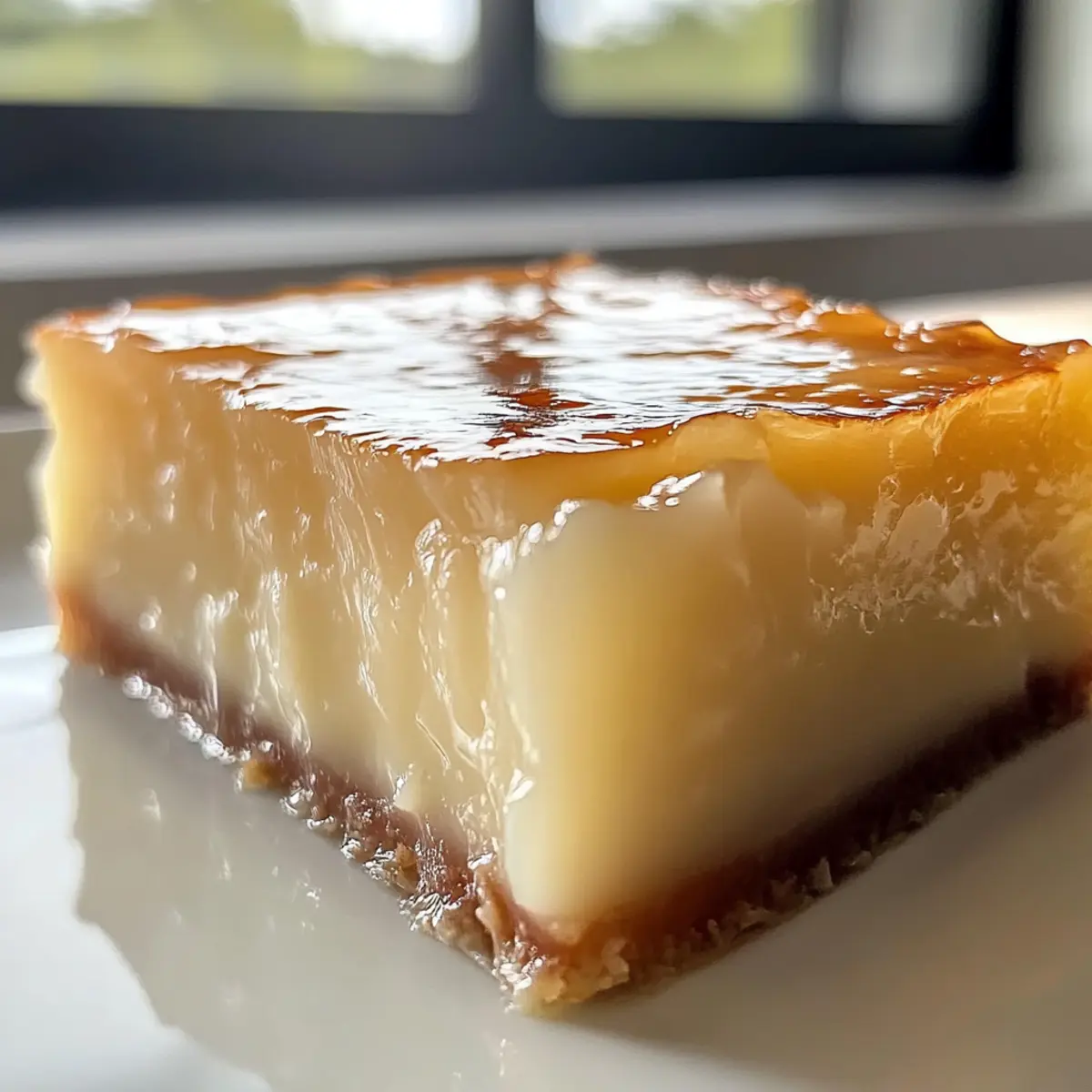
How to Store and Freeze Thai Coconut Custard
Fridge: Store your Thai Coconut Custard in an airtight container for up to 3 days. This keeps it fresh and ready to serve whenever those tropical cravings hit!
Freezer: For longer storage, you can freeze the custard for up to 2 months. Wrap it tightly with plastic wrap and then place it in a freezer-safe container for best results.
Thawing: To enjoy your frozen custard, simply thaw it overnight in the refrigerator before serving. This gentle thawing helps maintain its creamy texture.
Reheating: If you prefer to warm it, do so gently in the microwave in short intervals, stirring in between, to preserve that delectable smoothness.
Expert Tips for Thai Coconut Custard
-
Achieve the Right Texture: Ensure eggs are well beaten until frothy; this aeration creates a lighter custard texture that everyone will love.
-
Don’t Skip Straining: Straining your mixture through a fine sieve is crucial for a velvety smooth Thai Coconut Custard. Skipping this step can lead to clumps.
-
Watch the Bake Time: Monitor your custard closely while baking. It should jiggle slightly in the center when finished—overbaking will dry it out and change the texture!
-
Chill for Firmness: Allow the custard to chill for at least 2 hours in the refrigerator after baking. This helps it firm up perfectly for slicing and serving.
-
Slice with Care: Use a hot knife to slice the custard cleanly. This simple trick will yield tidy, appealing pieces for your presentation!
Thai Coconut Custard Variations & Substitutions
Feel free to explore your creativity with this recipe—each variation can take your dessert to new heights of tropical delight!
-
Dairy-Free: Swap large eggs for 1/2 cup silken tofu blended with 1 tbsp cornstarch per egg. Enjoy a creamy custard that adheres to your dietary needs without losing its lusciousness.
-
Vegan Twist: Use the same silken tofu substitution as mentioned above to create a vegan-friendly version of this custard, ensuring it’s just as delightful for everyone at the table.
-
Flavor Infusion: Add in fresh ginger or kaffir lime leaves to the coconut milk during mixing for a zesty boost. This will create a vibrant flavor profile that dances on your taste buds!
-
Tropical Topping: Top your custard with fresh lychee, ripe mango, or a scoop of coconut sorbet. These fruity accents can brighten the dish and delight your senses.
-
Colorful Contrast: Substitute sticky rice with black rice for a striking color contrast. Not only does it look stunning, but it also offers a nutty flavor that complements the custard beautifully.
-
Sweetness Swap: If palm sugar isn’t available, brown sugar is a great alternative. This will maintain the caramel-like sweetness needed for a mouthwatering custard.
-
Texture Variation: For an extra crunch, sprinkle on toasted coconut flakes just before serving. This simple addition will elevate the overall texture, making each bite even more enjoyable.
For more delicious ideas, you might want to check out Crockpot Coconut Chicken or elevate your sweet tooth with Thai Chicken Bites. Each recipe brings its own unique taste of the tropics to your home!
What to Serve with Heavenly Thai Coconut Custard
Brighten your dessert table by pairing this delightful tropical treat with a variety of complementary flavors and textures.
-
Fresh Mango Slices: Nothing beats the juicy sweetness of ripe mango, enhancing the custard’s creamy richness while adding a beautiful, vibrant color.
-
Toasted Coconut Flakes: Create a delightful crunch and a nutty flavor contrast that elevates your custard experience, making every bite remarkably satisfying.
-
Sticky Rice: Serve this custard atop a layer of warm sticky rice for a heartier dish that blends traditional elements with an elegant twist, making it even more authentic.
-
Coconut Sorbet: A refreshing scoop of coconut sorbet adds a cold, invigorating element that balances the custard’s creamy texture and sweet flavor beautifully.
-
Chilled Green Tea: Pair this dessert with a refreshing cup of chilled jasmine or green tea, as its lightness will cleanse your palate between bites of the rich custard.
-
Lychee Fruit: For a floral touch, garnish with ripe lychees—these exotic fruits offer a sweet, juicy burst, enhancing the tropical vibes of your custard.
Delve into these suggestions for a well-rounded and irresistible dessert experience that invites a little taste of paradise into every evening!
Make Ahead Options
These delightful Thai Coconut Custard desserts are perfect for busy home cooks looking to save time during meal prep! You can prepare the custard mixture up to 24 hours in advance by following the initial steps: beat the eggs, combine with coconut milk, palm sugar, salt, and vanilla, and strain the mixture. Keep it covered in the refrigerator until you’re ready to bake. When you’re set to serve, simply pour the custard over the sticky rice (if using) and create a water bath before baking. This method ensures your custard will be just as delicious and creamy when you finally indulge in this tropical treat!
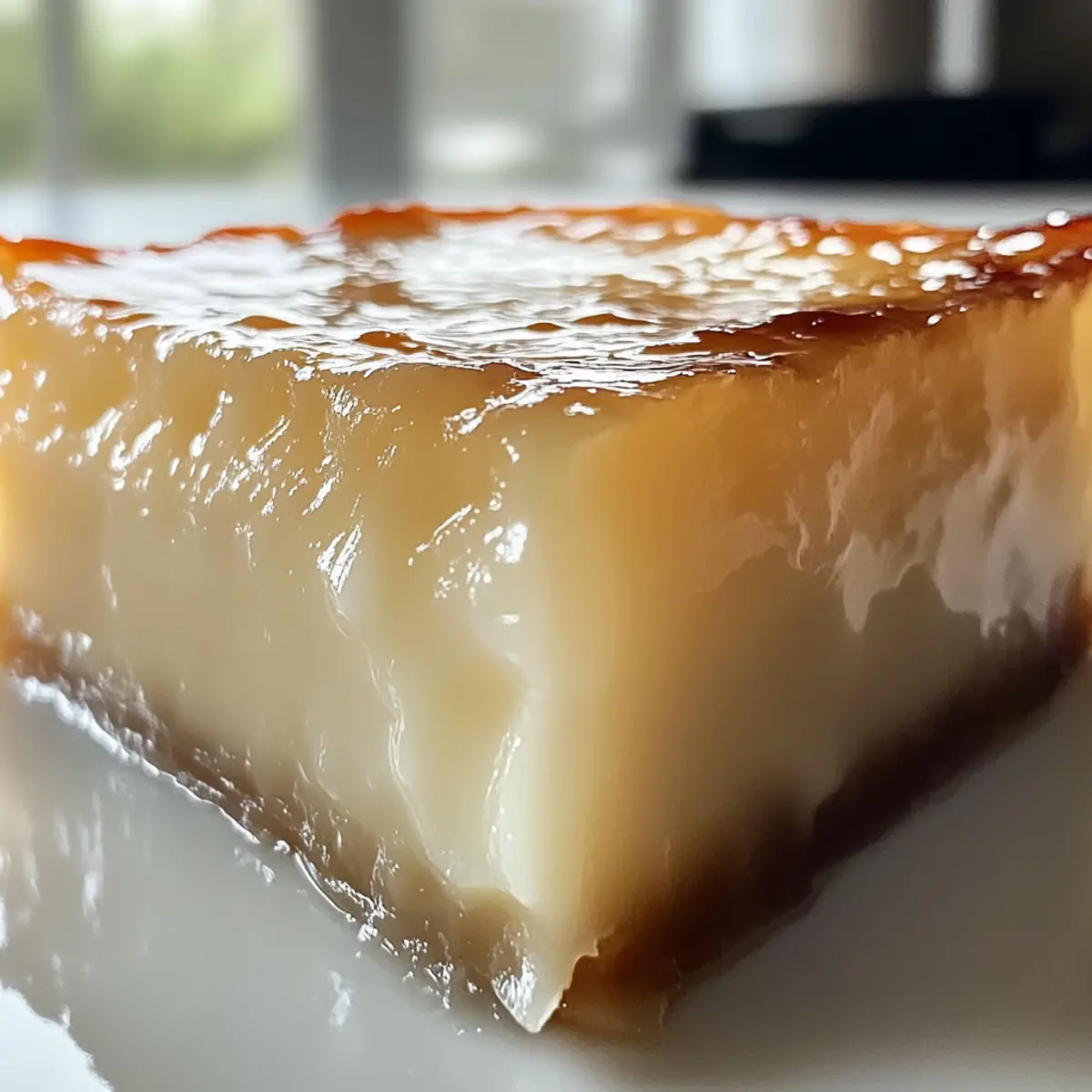
Thai Coconut Custard Recipe FAQs
How do I choose the right coconut milk?
The best coconut milk for your Thai Coconut Custard is full-fat, which gives it that creamy texture we all love. When selecting coconut milk, look for brands without additives or preservatives—just pure coconut goodness. If you notice separation in the can, that’s normal; simply stir it well before using to combine.
How should I store leftover Thai Coconut Custard?
You can store any leftover Thai Coconut Custard in an airtight container in the refrigerator for up to 3 days. Just ensure it’s well covered to maintain its moisture and creaminess. A gentle cover of plastic wrap can help as well!
Can I freeze Thai Coconut Custard?
Absolutely! You can freeze your custard for up to 2 months. Wrap it tightly with plastic wrap, then place it in a freezer-safe container. When you’re ready to enjoy it again, thaw it in the refrigerator overnight. This method preserves its smooth texture beautifully.
Why did my custard come out grainy?
A grainy texture could happen if the eggs were overheated during mixing or if they curdled during baking. To avoid this, ensure your egg mixture is whisked well but not overcooked, and keep an eye on the baking time. The custard should gently jiggle in the center—this is the perfect sign it’s ready to come out of the oven!
Are there any dietary considerations I should keep in mind?
Great question! This Thai Coconut Custard can be easily adapted to be dairy-free and vegan. Simply replace the large eggs with 1/2 cup of silken tofu blended with 1 tablespoon of cornstarch for each egg. It’s also important to check for allergies related to coconut or other specific ingredients, as some guests might have sensitivities.
Can pets eat custard made with coconut milk?
While coconut in small amounts is not toxic to pets, it’s best to avoid feeding them any custard containing sugar or other ingredients like palm sugar and vanilla extract. These can upset a pet’s stomach. Always consult with your vet for safe treat options for pets!
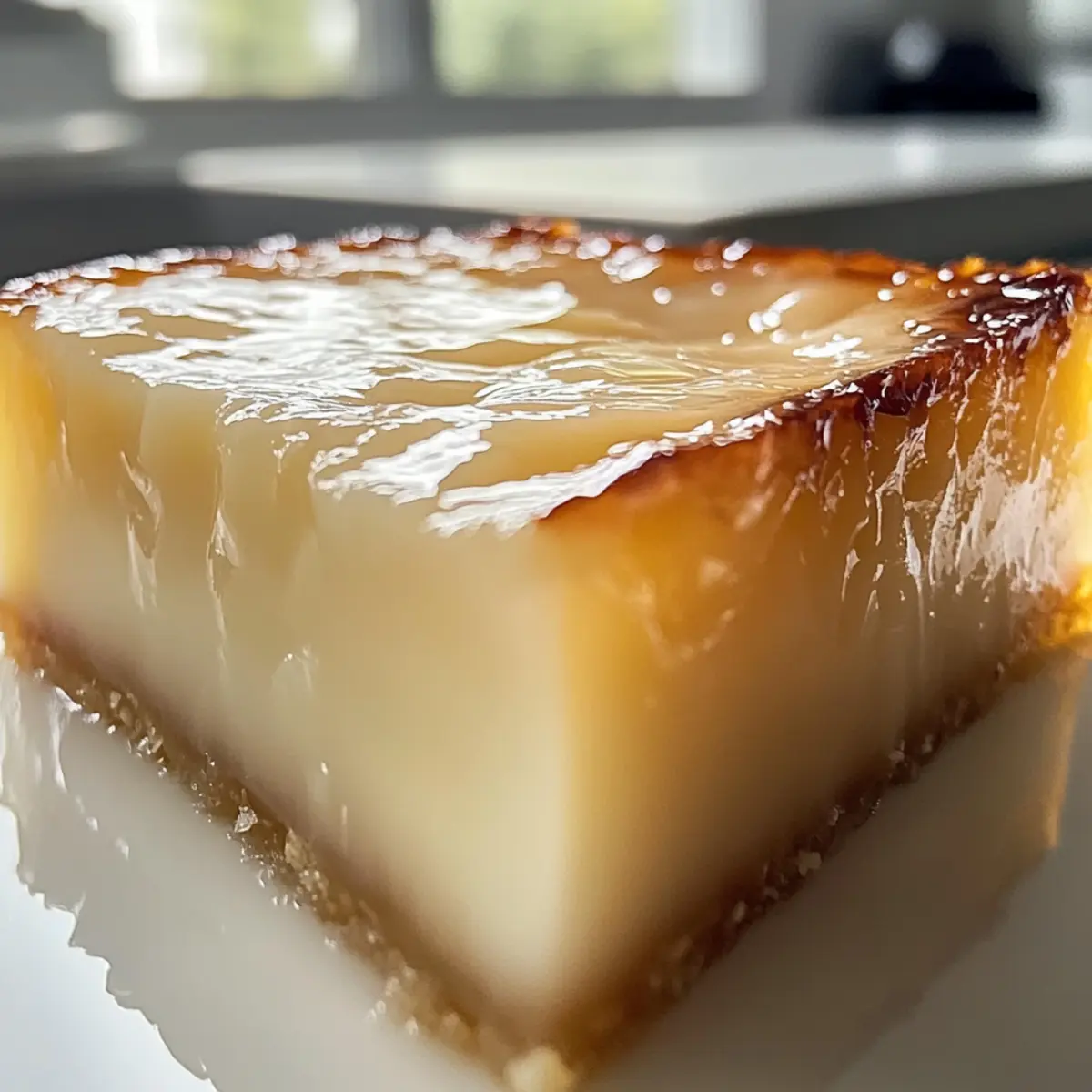
Delightful Thai Coconut Custard: A Tropical Escape at Home
Ingredients
Equipment
Method
- Preheat your oven to 350°F (175°C) and prepare your baking dish.
- In a mixing bowl, crack large eggs and beat them until frothy (about 2-3 minutes).
- Incorporate coconut milk, palm sugar, salt, and vanilla extract into the beaten eggs and whisk until smooth.
- Strain the mixture through a fine sieve into another bowl.
- If adding sticky rice, spread it evenly across the bottom of your prepared baking dish.
- Pour the strained custard mixture over the sticky rice or directly into the dish.
- Place the baking dish into a larger pan filled with hot water to create a water bath.
- Bake in the preheated oven for approximately 45 minutes to 1 hour.
- Once baked, let it cool to room temperature on a wire rack, then transfer to the refrigerator to chill for at least 2 hours.
- Slice the custard into squares with a hot knife and garnish with fresh mango, toasted coconut flakes, or coconut sorbet before serving.
Leave a Reply