
As the skillet sizzles, the aroma of sautéed garlic and fresh vegetables dances in the air, beckoning me to the kitchen. It’s incredible how quickly Healthy Sautéed Vegetables can turn fresh produce into a vibrant masterpiece on your dinner table. This dish not only comes together in a matter of minutes but also packs a nutritional punch, making it the perfect solution for your busy weeknights or meal-prep sessions. With its versatility, feel free to mix and match seasonal vegetables, or spice things up with an array of flavor profiles—from Garlic-Parmesan to a zesty Mediterranean twist. Are you ready to elevate your vegetable game and impress your taste buds? Let’s dive in!
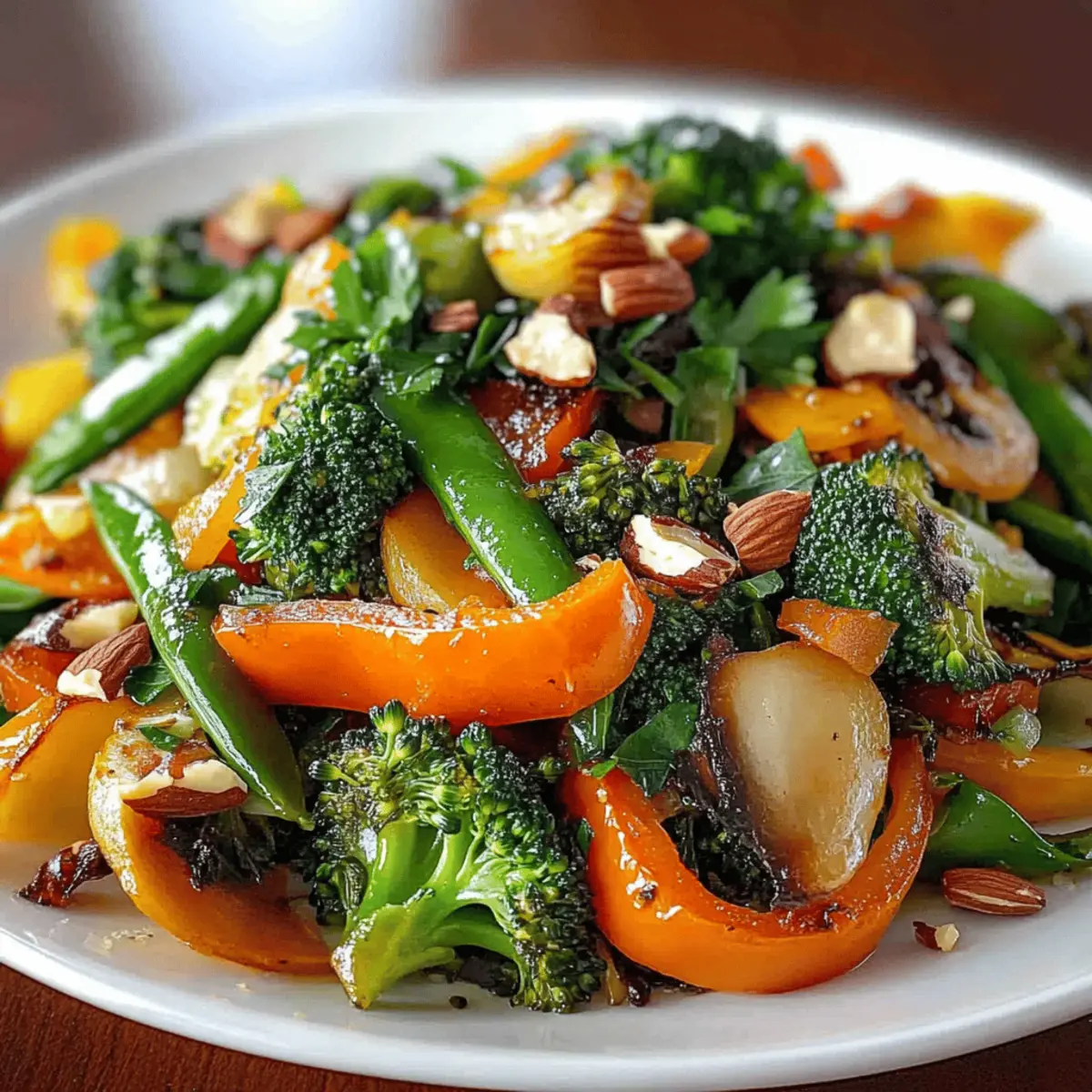
Why Choose Healthy Sautéed Vegetables?
Quick & Easy: This recipe comes together in just minutes, perfect for those hectic weeknight dinners.
Nutrient-Rich: Packed with vitamins, fiber, and antioxidants, these sautéed veggies are not just colorful, but incredibly healthy, making every bite enjoyable.
Flavor Versatility: From Garlic-Parmesan to Mediterranean-inspired options, the flavor profiles are endless. You can make this dish match whatever theme your meal has!
Crowd-Pleaser: Whether served as a side or a main dish mixed with pasta, these vegetables cater to all tastes and dietary preferences.
Meal Prep Friendly: With easy storage tips, you can prep in advance and enjoy your veggies throughout the week. For more delicious vegetable ideas, check out our guide on how to incorporate veggies into every meal!
Healthy Sautéed Vegetables Ingredients
Dive into the world of healthy sautéed vegetables with these vibrant and fresh components!
For the Base
- Olive Oil (or Avocado Oil/Butter) – Cooking medium; use high smoke point oils for better results.
- Garlic (2 cloves, minced) – Adds aromatic flavor; fresh garlic is best for optimal taste.
- Onion (1 small, thinly sliced) – Provides sweet depth; substitute with shallots for a milder flavor.
For the Vegetables
- Bell Pepper (1, sliced) – Adds color and sweetness; any color works based on your preference.
- Zucchini (1, sliced into half-moons) – Contributes a soft texture; can replace with yellow squash if desired.
- Broccoli Florets (1 cup) – Adds a crunchy element; both fresh and thawed frozen can be used.
- Carrot (1 medium, julienned or sliced thin) – Adds sweetness and crunch; substitute with parsnip for a different flavor.
- Snap Peas (½ cup) – Provides a sweet crunch; can be swapped out for green beans.
- Mushrooms (½ cup, sliced) – Offers umami flavor; use any variety based on availability.
Seasoning & Optional Enhancements
- Salt & Black Pepper – Essential seasonings to enhance the flavor; adjust to personal taste.
- Lemon Juice (1 tsp, optional) – Brightens flavors; lime juice can be a zesty substitute.
- Balsamic Vinegar or Soy Sauce (1 tsp, optional) – Adds depth; omit for a lighter flavor.
- Optional Toppings – Toasted nuts, seeds, fresh herbs, or grated Parmesan to elevate texture and flavor.
This colorful array of ingredients is all you need for your healthy sautéed vegetables, perfect for an easy side dish or a vibrant centerpiece for your meal!
Step‑by‑Step Instructions for Healthy Sautéed Vegetables
Step 1: Prep Vegetables
Begin by washing, peeling when necessary, and cutting all your vegetables into uniform pieces. This ensures even cooking and a delightful texture. Aim for bite-sized pieces: slice onions thin, julienne carrots, and cut bell peppers into strips. Having everything prepped in advance streamlines the process, making your Healthy Sautéed Vegetables come together effortlessly.
Step 2: Heat Pan
Preheat a large skillet over medium-high heat for about 2 minutes until hot. Add 2 tablespoons of olive oil to the pan, allowing it to heat until shimmering, which typically takes another minute. This step is crucial for achieving a proper sauté, as a hot pan will help your vegetables cook quickly, retaining their vibrant colors and crunchy textures.
Step 3: Cook Aromatics
Add the minced garlic and thinly sliced onions to the skillet, sautéing for 1-2 minutes. Stir continuously until the onions become soft and translucent, and the garlic releases its fragrant aroma. These aromatics create a flavorful base for your Healthy Sautéed Vegetables, enhancing the overall taste profile of the dish.
Step 4: Add Harder Vegetables
Introduce the julienned carrots and broccoli florets to the skillet, stirring frequently. Cook for 3-4 minutes, allowing these denser vegetables to soften slightly while maintaining their crunch. The vibrant colors will begin to pop, creating a beautiful medley as they start to caramelize slightly, enhancing both flavor and visual appeal.
Step 5: Add Softer Vegetables
Next, add the sliced bell peppers, zucchini, mushrooms, and snap peas to the pan. Sauté for an additional 4-5 minutes, stirring often until the vegetables are crisp-tender and vibrant. Keep an eye on the colors; they should look bright and inviting. This mix ensures that your Healthy Sautéed Vegetables are not only colorful but also deliciously mixed in texture.
Step 6: Season
Sprinkle your sautéed vegetables with salt, black pepper, and any additional flavoring options like lemon juice or balsamic vinegar if desired. Toss everything together gently to ensure even seasoning. This step enhances the natural flavors of your Healthy Sautéed Vegetables and allows the ingredients to harmonize beautifully on your palate.
Step 7: Finish & Serve
Once everything is well combined, remove the skillet from heat. Toss the vegetables thoroughly one last time and transfer them to a serving dish. If you like, garnish with optional toppings such as toasted nuts, fresh herbs, or grated Parmesan for extra flavor and texture. Serve immediately to enjoy the vibrant colors and crisp-tender textures at their best!
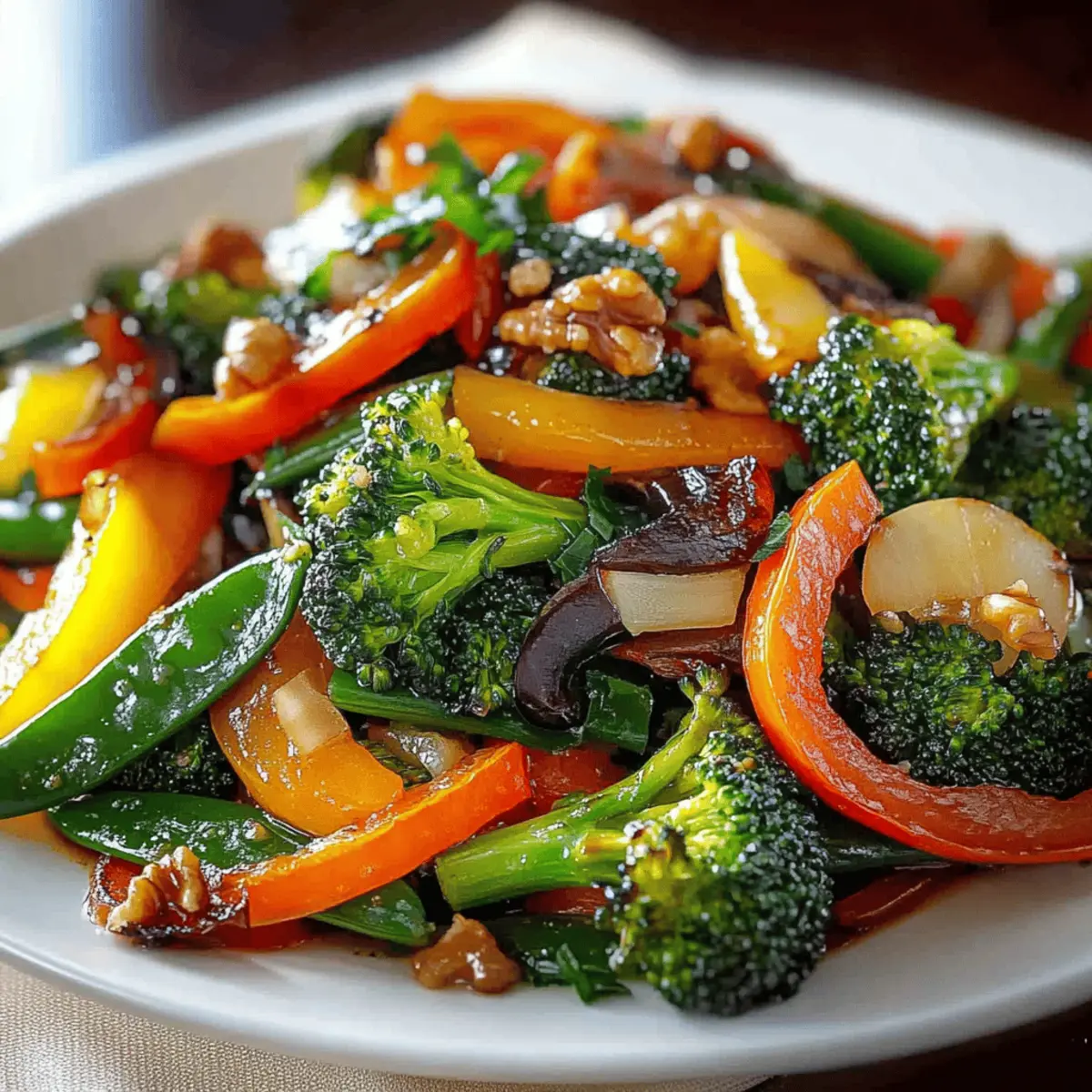
Expert Tips for Healthy Sautéed Vegetables
Batch Cooking: Ensure even cooking by not overcrowding the pan; sauté in batches if necessary for perfect Healthy Sautéed Vegetables.
Chop Uniformly: Cut all vegetables to similar sizes for consistent cooking; larger pieces won’t soften properly, risking an uneven texture.
Aromatics First: Start with garlic and onions to infuse the oil with flavor, enhancing the overall taste profile of your dish.
Watch the Heat: Keep your skillet hot to avoid steaming; if it cools down too much, vegetables can become mushy rather than crisp-tender.
Season Mindfully: Add salt and pepper gradually, tasting as you go to achieve the perfect balance in your Healthy Sautéed Vegetables.
What to Serve with Healthy Sautéed Vegetables
Elevate your meal with delightful pairings that complement the vibrant flavors of sautéed veggies.
-
Quinoa Pilaf: A nutty, fluffy grain that serves as a perfect base, adding protein and texture to balance the crisp-tender vegetables. Combine with herbs for extra freshness and flavor.
-
Grilled Chicken: Juicy, herb-marinated chicken adds heartiness to your plate, harmonizing beautifully with the refreshing crunch of the vegetables. This duo makes for a nutritious and satisfying meal.
-
Lemon Garlic Orzo: The light, lemony pasta enhances the bright flavors of the vegetables, tying the dish together with a delightful Mediterranean touch. Enjoy it warm or chilled for a delicious side.
-
Mixed Green Salad: A crisp salad, dressed with a zesty vinaigrette, refreshes the palate and adds a nice contrast to the warm, sautéed veggies. Toss in some nuts or seeds for added crunch and nutrition.
-
Hummus Dip: Creamy hummus is perfect for dipping alongside your sautéed vegetables, turning your meal into a delightful spread. Pair with pita for a satisfying snack or appetizer.
-
Balsamic Glazed Salmon: The rich, sweet-and-tangy glaze on salmon makes it an irresistible partner for sautéed veggies, providing a burst of flavor that enhances the entire dish.
-
Light White Wine: A chilled Sauvignon Blanc or Pinot Grigio offers refreshing acidity that complements the season’s freshness, adding elegance to your meal while enhancing the flavors of your sautéed vegetables.
Storage Tips for Healthy Sautéed Vegetables
Fridge: Store leftover Healthy Sautéed Vegetables in an airtight container for up to 3-4 days. This keeps them fresh and prevents any absorption of odors from other foods.
Freezer: If you plan to freeze, allow the vegetables to cool completely, then transfer them to a freezer-safe container or bag. They can last up to 2 months in the freezer but may lose some texture.
Reheating: For the best results, reheat in a skillet over medium heat to regain that crisp-tender texture. Add a splash of olive oil if needed to enhance flavor as they warm.
Make-Ahead: You can chop and prepare the vegetables a day in advance and store them in the fridge. This is perfect for quick cooking right before mealtime!
Make Ahead Options
Healthy Sautéed Vegetables are perfect for meal prep, allowing you to save time during hectic weeknights! You can wash, peel, and chop all your vegetables up to 24 hours in advance; simply store them in an airtight container in the refrigerator to maintain their crispness. Additionally, you can sauté the veggies up to 3 days ahead, just reheat them in a skillet for a few minutes, adding a splash of oil to ensure they remain vibrant and fresh. When you’re ready to serve, season as desired, garnish with your favorite toppings, and enjoy restaurant-quality vegetables without any fuss!
Healthy Sautéed Vegetables Variations
Feel free to take the reins on this recipe and customize it to your liking!
- Garlic-Parmesan: Toss with minced garlic and sprinkle with grated Parmesan before serving for a rich, cheesy flavor that elevates the dish.
- Asian-Inspired: Incorporate soy sauce and sesame oil; garnish with sesame seeds for a nutty finish. This variation brings a delightful umami punch that transports your taste buds straight to the East.
- Mediterranean: Use olive oil, lemon zest, fresh oregano, and sprinkle with feta cheese for a refreshing twist. The bright flavors are perfect for summer dining or when you want a taste of the Mediterranean coast.
- Spicy Kick: Add chili flakes or a drizzle of hot sauce to ignite flames of spice that awaken every bite. Perfect for those who crave an extra layer of heat!
- Herb-Forward: Mix in fresh parsley, thyme, or basil to amplify the subtle flavors. This is a great way to infuse your dish with seasonal freshness and aroma.
- Smoky Flavor: Add a dash of smoked paprika while cooking to impart a sweet, smoky flavor that complements the freshness of the vegetables beautifully.
- Creamy Addition: For a comforting twist, stir in a splash of cream or a dairy-free alternative just before serving. This creates a luscious sauce that binds everything together.
- Nutty Crunch: Garnish with toasted almonds or walnuts for added texture and flavor. Nuts not only enhance the dish, but they add a delightful crunch that your family will adore.
These variations ensure that the healthy sautéed vegetables can be exciting and new each time you make them. For further inspiration, check out our guide on incorporating veggies into every meal!
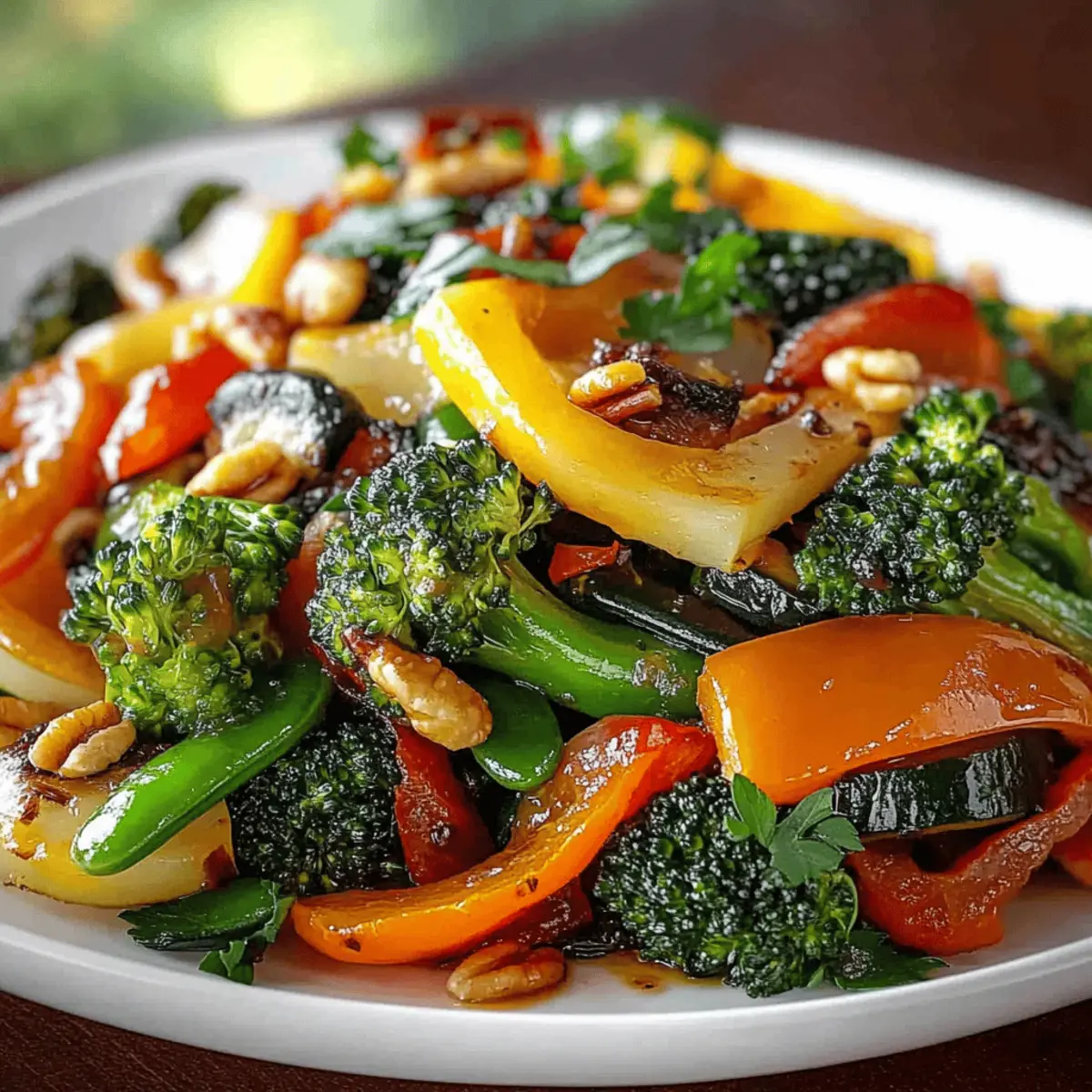
Healthy Sautéed Vegetables Recipe FAQs
How do I choose the best vegetables for sautéing?
Absolutely! When selecting vegetables, aim for vibrant colors and avoid any with dark spots or signs of wilting. Fresh, seasonal produce not only tastes better but is often at its peak nutritional value. For crisp-tender sautéed vegetables, I recommend using a hearty mix like broccoli, bell peppers, and snap peas which hold up well under heat and cook evenly.
How should I store leftover Healthy Sautéed Vegetables?
Sure thing! Store your leftovers in an airtight container in the fridge for up to 3-4 days. Ensure they cool completely before sealing to prevent condensation, which can make them soggy. When you’re ready to enjoy them again, simply reheat in a skillet to maintain their wonderful texture.
Can Healthy Sautéed Vegetables be frozen?
Yes, they can! To freeze, allow the sautéed vegetables to cool completely, then transfer them to a freezer-safe container or bag. They can last in the freezer for up to 2 months. It’s best to reheat them directly from frozen in a skillet with a splash of olive oil over medium heat for best results.
What should I do if my sautéed vegetables are watery?
No worries! If you find your vegetables are producing too much moisture, try cooking them in smaller batches to avoid overcrowding the pan. This allows for even cooking and caramelization instead of steaming. Also, ensure your pan is hot enough before adding the veggies to achieve that delightful, crisp-tender texture.
Are there any dietary considerations with Healthy Sautéed Vegetables?
Very much so! This dish is naturally vegan and vegetarian-friendly, making it suitable for diverse diets. However, if you’re catering to allergies, be cautious with the oils and optional toppings like nuts or dairy-based cheese. Always check labels on store-bought ingredients, such as soy sauce, for gluten if you’re considering gluten-free options.
Can I prepare the vegetables in advance?
Absolutely! You can chop and prep your vegetables a day in advance. Store them in the fridge in an airtight container to keep them fresh. This little prep step can wind up saving you time during busy weeknights, allowing you to whip up your Healthy Sautéed Vegetables in no time!
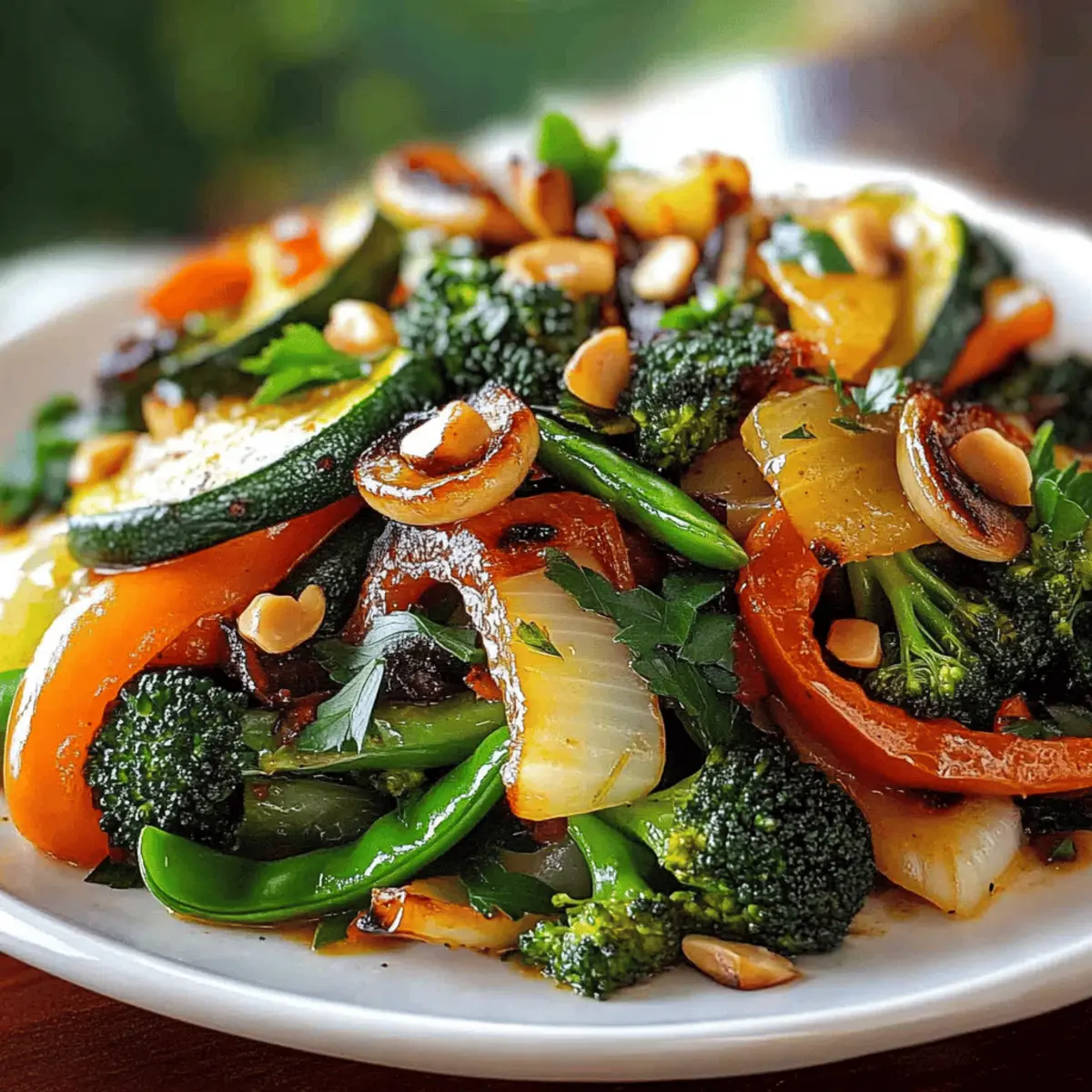
Deliciously Healthy Sautéed Vegetables for Anytime Meals
Ingredients
Equipment
Method
- Begin by washing, peeling when necessary, and cutting all vegetables into uniform pieces.
- Preheat a large skillet over medium-high heat for about 2 minutes until hot. Add olive oil.
- Add minced garlic and onions to skillet, sautéing for 1-2 minutes until soft.
- Introduce julienned carrots and broccoli to skillet, cooking for 3-4 minutes.
- Add sliced bell peppers, zucchini, mushrooms, and snap peas. Sauté for 4-5 minutes.
- Sprinkle vegetables with salt, black pepper, and other seasonings. Toss gently.
- Remove from heat, toss again, and serve immediately. Garnish if desired.
Leave a Reply