
You know that satisfying crunch that sends your taste buds into a happy dance? That’s exactly what you can expect from these Crispy Korean Vegetable Pancakes (Yachaejeon). The beauty of this recipe lies in its ability to transform a medley of fresh vegetables into a vibrant dish that’s not only packed with flavor but also quick to whip up. Whether you’re looking for a delightful snack, a veggie-packed side dish, or a light meal, these pancakes hit the spot while keeping things vegetarian and wonderfully vegan-friendly. Plus, with a gluten-free option available, everyone can join the party! So, are you ready to embrace the joy of cooking and experience the deliciousness of Yachaejeon? Let’s dive in!
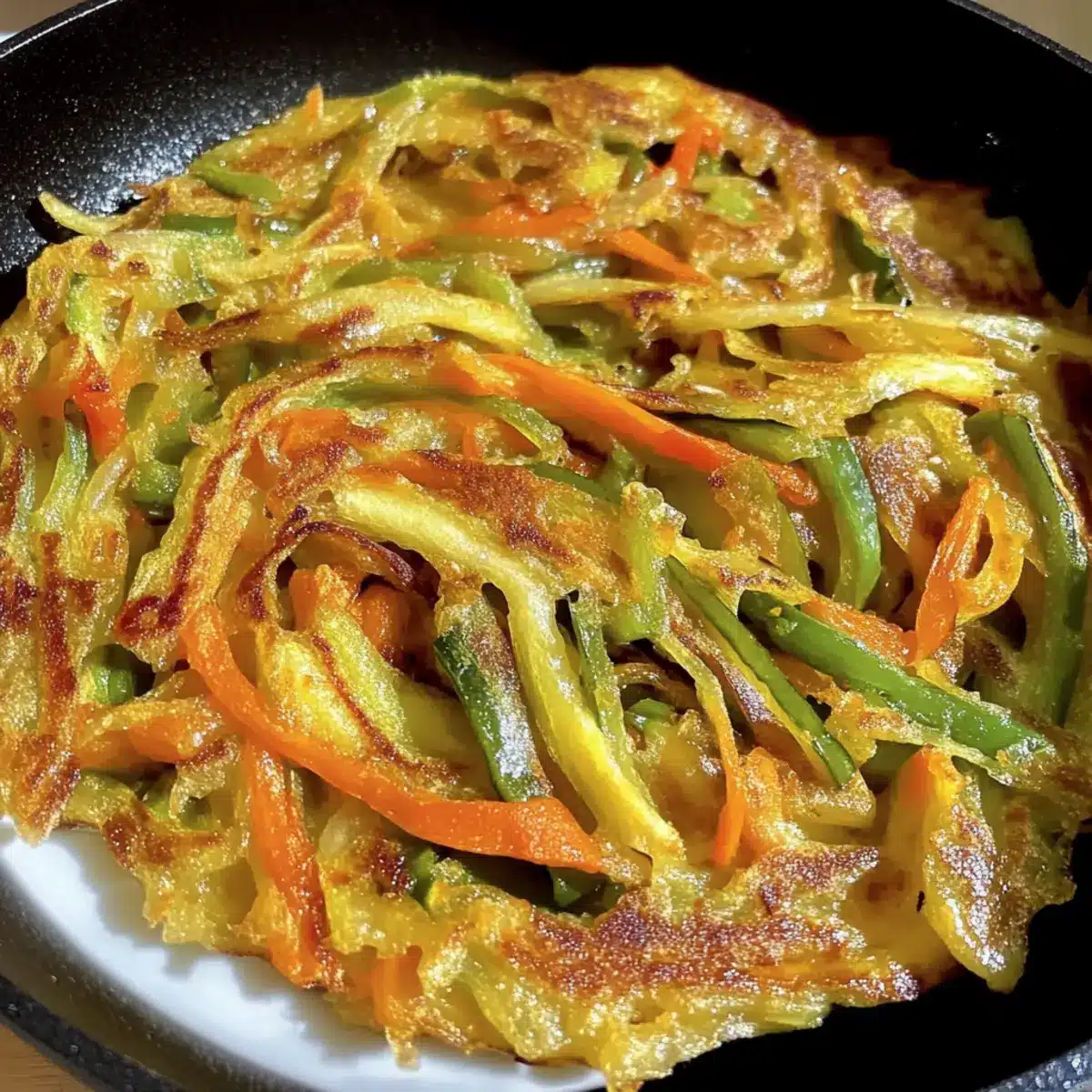
Why Are These Pancakes a Must-Try?
Quick and Easy: These Korean Vegetable Pancakes come together in no time, perfect for those busy weeknights or unexpected guests.
Colorful Veggies: Packed with vibrant vegetables, each bite offers a burst of color and flavor, making your dish as delightful to look at as it is to eat.
Crispy Texture: The addition of cornstarch ensures a wonderfully crispy exterior that contrasts perfectly with the tender interior.
Versatile Dish: Serve them as an appetizer, snack, or light meal—these pancakes adapt beautifully to any occasion. Plus, for a nutritious twist, check out my Oatmeal Pumpkin Pancakes for more delicious options!
Healthy and Wholesome: With tons of vitamins from fresh veggies, you can indulge guilt-free.
Customizable Recipe: Feel free to swap in your favorite vegetables or try out different flour options, such as gluten-free or chickpea, to create your ideal pancake!
Korean Vegetable Pancakes Ingredients
For the Batter
- Flour – Main structure of the pancakes; substitute with gluten-free flour blend for a gluten-free version.
- Cornstarch – Adds crispiness to the texture; recommended for best results but can be omitted if needed.
- Water – Binds ingredients and creates desired batter consistency; adjust quantity based on thickness preferences.
- Turmeric – Provides color and a mild earthy flavor; can be omitted if unavailable.
- Salt – Enhances overall flavor; adjust according to your taste.
- Baking Powder – Essential for a lighter texture; do not skip unless you prefer denser pancakes.
For the Vegetables
- Green Onions – Adds freshness and mild onion flavor; substitute with chives if preferred.
- Red Onion – Provides sweetness and color; can be replaced with shallots or omitted.
- Carrot – Adds sweetness and color; other root vegetables like zucchini work well as substitutions.
- Red Pepper – Contributes sweetness and crunch; yellow or orange bell peppers can be used instead.
- Cabbage – Offers texture and moisture; any leafy green, such as spinach, can replace it.
- Hot Pepper – Introduces heat; feel free to omit or use milder peppers for less spice.
For Frying
- Oil (for frying) – Essential for cooking and achieving a crispy exterior; use neutral oils like canola or vegetable oil.
For the Soy Dipping Sauce
- Soy Sauce – Provides umami flavor; use tamari for a gluten-free option.
- Rice Vinegar – Adds acidity and brightness; can substitute with apple cider vinegar.
- Toasted Sesame Seeds – Adds nuttiness and crunch; optional if not available.
- Chili Flakes – Infuses heat; use fresh chili for a different flavor profile.
- Sesame Oil – Enhances flavor with a nutty aroma; substitute with any neutral oil if not available.
With these Korean Vegetable Pancakes ingredients, you’ll be well on your way to a deliciously satisfying dish that everyone can enjoy!
Step‑by‑Step Instructions for Korean Vegetable Pancakes
Step 1: Prepare the Vegetables
Start by washing and chopping your fresh vegetables. Thinly slice green onions and red onions, julienne the carrots and cabbage, and finely chop the hot pepper for a bit of heat. Make sure to have everything prepped before moving on; this will ensure a smooth pancake-making process with your colorful Korean Vegetable Pancakes.
Step 2: Make the Batter
In a large mixing bowl, whisk together the flour, cornstarch, turmeric, baking powder, and salt. Gradually add water while mixing to create a smooth batter. It should be pourable but not too watery to hold the vegetables together. This batter will form the perfect base for your delightful Korean Vegetable Pancakes, giving them structure and flavor.
Step 3: Mix Vegetables into Batter
Gently fold the prepared vegetables into the batter until they are well-coated. This mixture should be vibrant and filled with various colors from the vegetables. Take a moment to ensure that all the veggies are evenly distributed throughout the batter, allowing each pancake to burst with flavor and texture when cooked.
Step 4: Prepare the Dipping Sauce
While your batter rests, combine the soy sauce, rice vinegar, sesame oil, toasted sesame seeds, and chili flakes in a small bowl. Mix well until everything is fully incorporated. This zesty dipping sauce will complement the crispy Korean Vegetable Pancakes beautifully, adding a touch of umami and tangy flavor to each bite.
Step 5: Heat the Pan
Place a large frying pan over medium heat and add a splash of oil to coat the bottom. Allow the oil to heat up for about a minute until shimmering, which indicates that it’s ready for frying. This step is crucial, as hot oil helps in achieving that coveted crispy exterior on your pancakes.
Step 6: Cook the Pancakes
Spoon a generous amount of the batter mixture into the hot pan, spreading it thinly to about 1/4 inch thick. Cook for approximately 3–4 minutes until the edges start to turn golden brown and crispy. This is the moment where you’ll begin to see those lovely golden bits form, indicating that it’s time to flip.
Step 7: Flip and Continue Cooking
Carefully flip the pancake using a spatula and cook for another 3–4 minutes on the other side until it’s equally golden and crispy. Adjust the heat as needed to prevent burning while ensuring the vegetables are cooked through. Repeat this process with the remaining batter, adding more oil to the pan as necessary to maintain crispiness.
Step 8: Serve Warm
Once all the pancakes are cooked and beautifully golden, serve them warm alongside the tangy dipping sauce. Arrange them on a plate and enjoy the crispy delights of your Korean Vegetable Pancakes. Each bite should provide a satisfying crunch, paired perfectly with the flavorful sauce.
Make Ahead Options
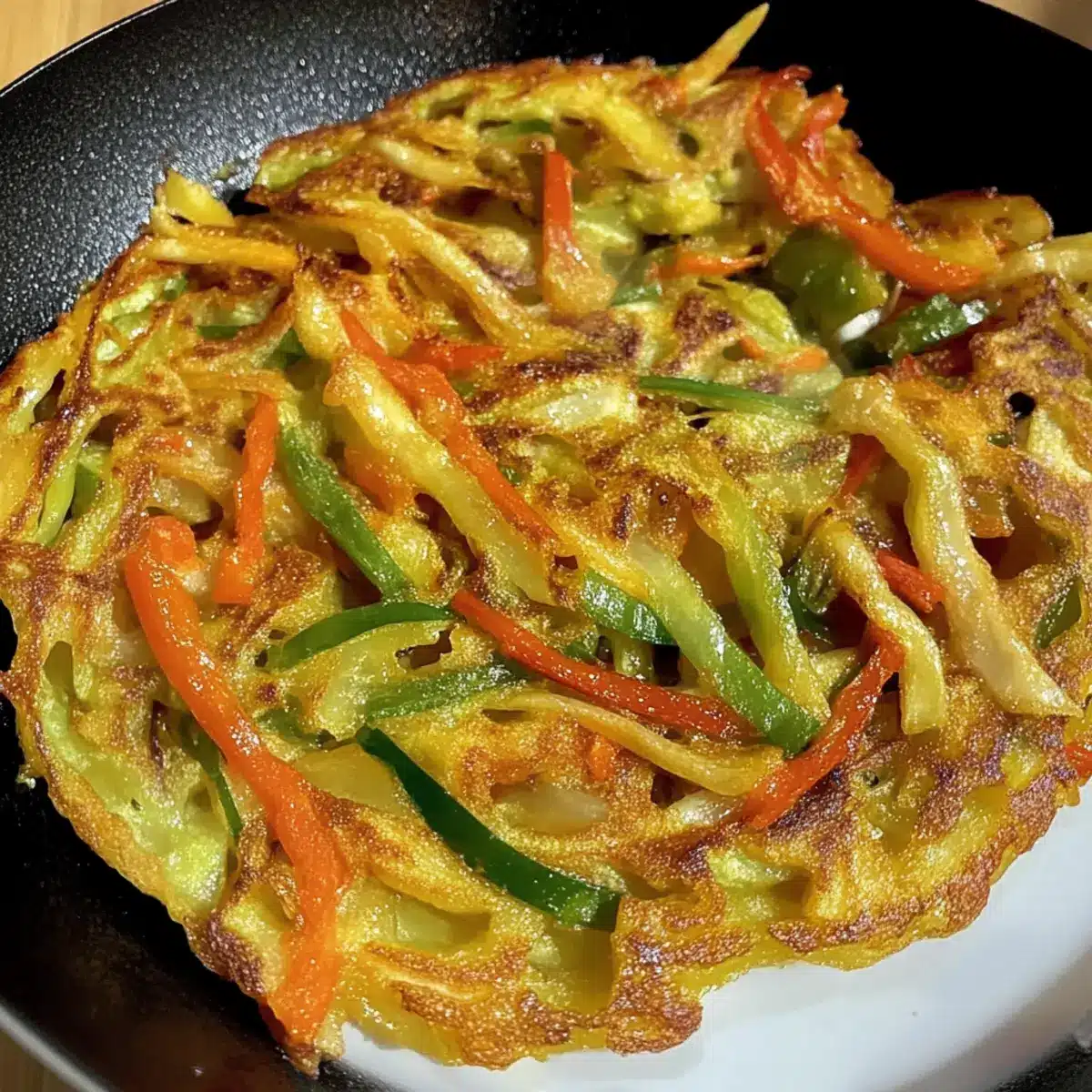
These Korean Vegetable Pancakes are perfect for busy home cooks looking to save time! You can prep the batter and chop all your vegetables up to 24 hours in advance. To maintain freshness and prevent browning, store the prepared batter and veggies separately in airtight containers in the refrigerator. When you’re ready to enjoy these delightful pancakes, simply mix the vegetables into the batter, heat some oil in your frying pan, and cook as directed. This approach allows you to enjoy crispy, restaurant-quality pancakes with minimal effort after a long day, making mealtime feel like a breeze!
Expert Tips for Korean Vegetable Pancakes
-
Prep Ahead: Chop vegetables ahead of time to let the flavors meld. This step ensures you make your Korean Vegetable Pancakes quickly and efficiently.
-
Adjust Batter Thickness: If the batter feels too thick, gradually add a little more water until it’s pourable but not runny for perfect consistency.
-
Heat Management: Keep the pan at a medium temperature to avoid burning while ensuring the vegetables cook thoroughly and the pancakes remain crispy.
-
Pancake Size Matters: Aim for smaller pancakes; they are easier to flip and manage in the pan, leading to a beautiful crispy texture.
-
Cooking Time: Don’t rush cooking each side; allowing 3–4 minutes for each side creates a delightful golden brown crust on your Korean Vegetable Pancakes.
What to Serve with Crispy Korean Vegetable Pancakes
Elevate your dining experience with delightful sides and pairings that promise a harmonious meal.
-
Fresh Green Salad:
A crisp salad with leafy greens, cucumber, and a light vinaigrette adds a refreshing contrast to the savory pancakes. This ensures a delightful balance of crunch and freshness. -
Creamy Avocado Toast:
The creamy richness of avocado toast pairs perfectly, complementing the crispy texture of the pancakes while adding healthy fats and fiber. -
Steamed Jasmine Rice:
Light, fluffy jasmine rice serves as a hearty base, allowing the vibrant flavors of the pancakes to shine without overpowering them. -
Pickled Vegetables:
Tangy pickled vegetables bring a bright acidity that cuts through the richness of the pancakes, enhancing their savory elements beautifully. -
Spicy Kimchi:
For a flavor-packed punch, serve with spicy kimchi to embrace the Korean essence and introduce a delicious heat that perfectly contrasts the pancakes’ crispiness. -
Chilled Cucumber Soup:
A cool, refreshing cucumber soup offers a soothing complement to the crispy pancakes, making your meal light and invigorating. -
Sizzling Tofu Stir-Fry:
Whip up a quick tofu stir-fry with seasonal veggies for a nutritious, protein-packed side that brings even more texture and flavor to the table. -
Fruit Chaat:
A colorful fruit chaat with seasonal fruits adds a sweet and zesty freshness that brightens the savory tones of your main dish perfectly. -
Classic Sweet Tea:
Pair with a glass of lightly sweetened iced tea for a refreshing drink that enhances each crispy bite while keeping you hydrated.
Korean Vegetable Pancakes Variations
Customize your Korean Vegetable Pancakes with these fun twists to suit your taste and dietary needs!
- Gluten-Free: Use a gluten-free flour blend in place of regular flour for a delightful gluten-free treat.
- Mushroom Magic: Add sliced mushrooms to the batter for extra umami and a delightful chewiness.
- Chickpea Flour: Replace the standard flour with chickpea flour for a protein-packed variation that’s both hearty and healthy.
- Zesty Kick: Introduce a dash of chili powder or use a spicier pepper for pancakes with a fiery twist!
- Veggie Swap: Swap your veggies based on seasonal favorites—try adding asparagus or broccoli for a delightful crunch.
- Herb Boost: Incorporate freshly chopped herbs like cilantro or parsley for an added layer of freshness and flavor.
- Baked Version: For a healthier alternative, bake them in the oven instead of frying for a lighter version of your Korean Vegetable Pancakes.
- Asian-Inspired Dipping Sauce: Mix in some hoisin or peanut butter into your dipping sauce for a unique flavor profile, reminiscent of Asian street food.
Feel free to play around with these ideas, and don’t forget to check out my other favorites like German Potato Pancakes to keep your culinary adventure going!
How to Store and Freeze Korean Vegetable Pancakes
Fridge: Store leftover Korean Vegetable Pancakes in an airtight container for up to 3 days to keep them fresh while retaining their flavor.
Freezer: For longer storage, freeze the pancakes in a single layer on a baking sheet until firm, then transfer to a freezer bag for up to 2 months.
Reheating: To reheat, cook pancakes in a skillet over medium heat, adding a little oil to improve crispiness. Enjoy them warm with the dipping sauce!
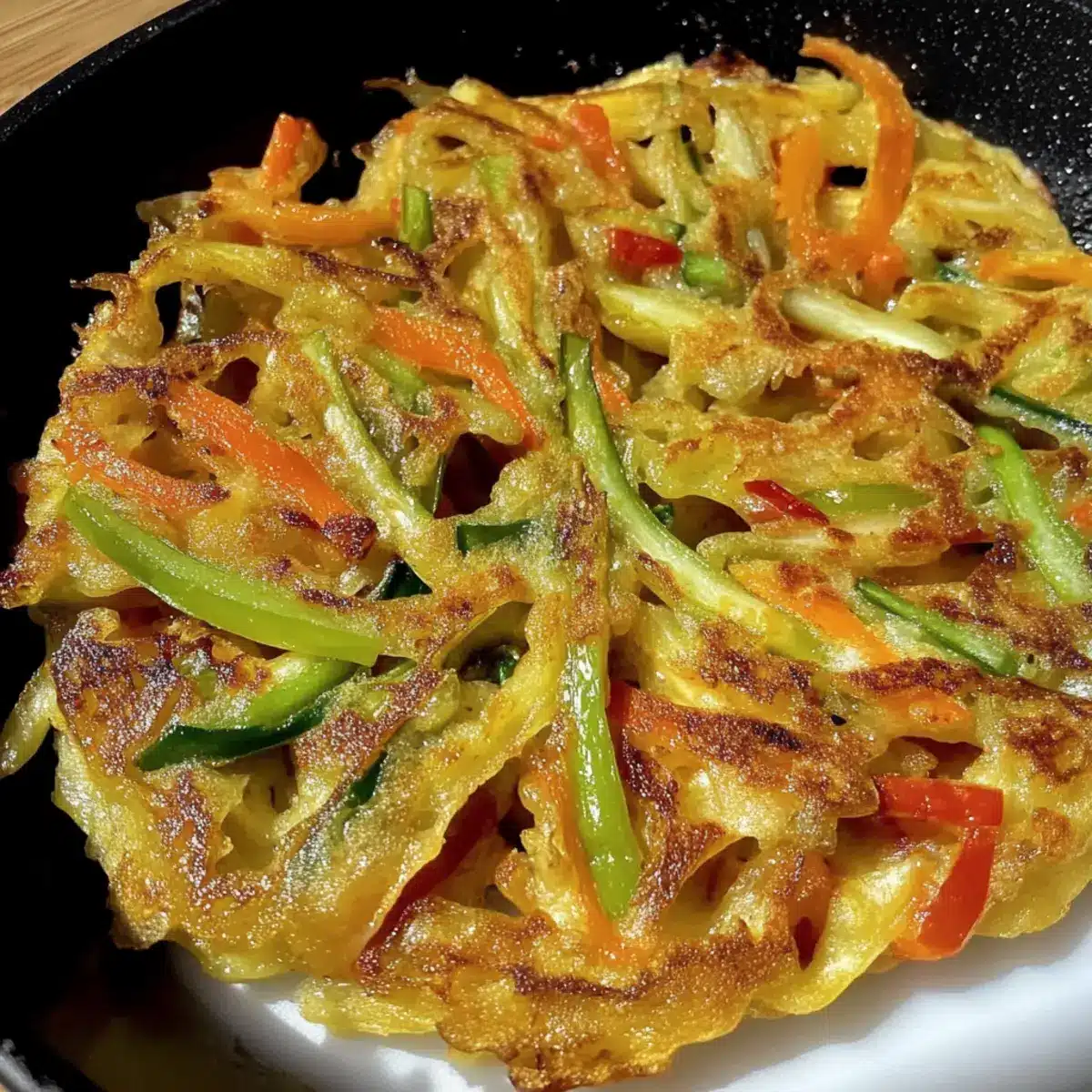
Korean Vegetable Pancakes Recipe FAQs
How do I select the best vegetables for the pancakes?
Absolutely! When choosing vegetables, look for vibrant, fresh options without any dark spots or wilting. Green onions should be firm, carrots should be crisp, and red peppers should be shiny and plump. Seasonal veggies can be wonderful additions too, so feel free to experiment with zucchini or other colorful options!
What’s the best way to store Korean Vegetable Pancakes?
Very! Store leftovers in an airtight container in the refrigerator for up to 3 days. To keep them crisp, reheat in a skillet with a little oil on medium heat, which helps to revive that delightful crunch and warmth.
Can I freeze Korean Vegetable Pancakes?
Yes! To freeze, first lay the cooked pancakes in a single layer on a baking sheet and freeze them until firm—about 1 to 2 hours. Then, transfer them to a freezer-safe bag, where they can be stored for up to 3 months. Thaw in the fridge overnight and reheat them in a skillet for optimal texture.
What if my batter is too thick or too thin?
No worries! If your batter is too thick, gradually add a little more water, mixing until it’s pourable but not runny—aim for a thick pancake batter consistency. If it’s too thin, add a bit more flour or cornstarch until it holds together well. Consistency matters for that perfect crispy pancake!
Are these pancakes suitable for gluten-free diets?
Absolutely! To make Korean Vegetable Pancakes gluten-free, simply substitute the regular flour with a gluten-free flour blend and ensure any other ingredients, like soy sauce, are also gluten-free (tamari works great!). These pancakes will still be flavorful and crispy without the gluten.
What should I do if I’m allergic to one of the ingredients?
No problem! Feel free to customize the recipe to fit your dietary needs. For instance, if you’re allergic to certain vegetables, you can replace them with your favorites. Just make sure to keep a similar texture and moisture balance for the pancakes, so they cook to perfection.
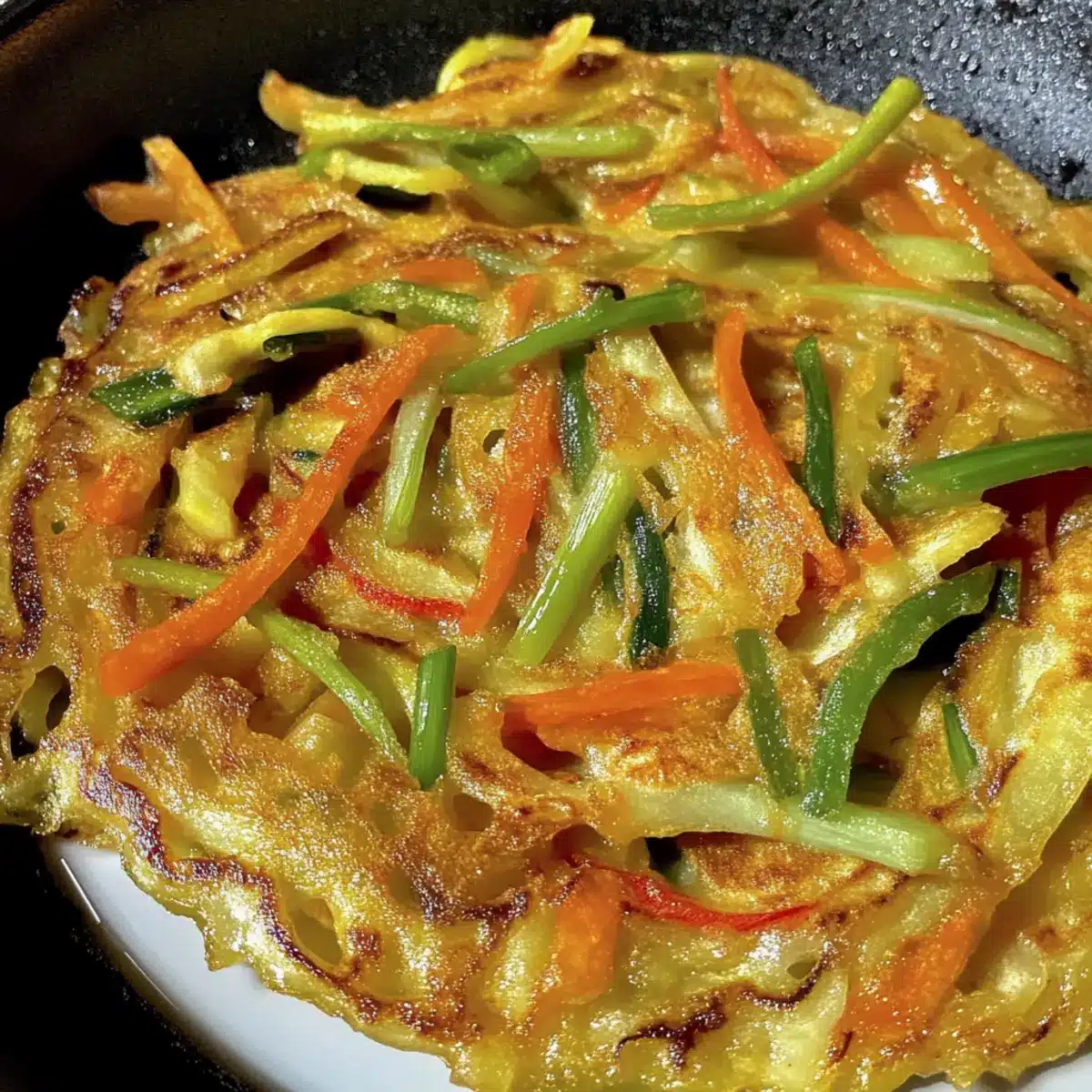
Crispy Korean Vegetable Pancakes for a Flavorful Snack
Ingredients
Equipment
Method
- Prepare the vegetables by washing and chopping them. Thinly slice green onions and red onions, julienne the carrots and cabbage, and finely chop the hot pepper.
- In a large mixing bowl, whisk together the flour, cornstarch, turmeric, baking powder, and salt. Gradually add water while mixing to create a smooth batter.
- Gently fold the prepared vegetables into the batter until they are well-coated.
- While the batter rests, combine the soy sauce, rice vinegar, sesame oil, toasted sesame seeds, and chili flakes in a small bowl.
- Place a frying pan over medium heat and add a splash of oil to coat the bottom. Allow the oil to heat up until shimmering.
- Spoon a generous amount of the batter into the hot pan, spreading it thinly. Cook for approximately 3–4 minutes until the edges turn golden brown.
- Carefully flip the pancake and cook for another 3–4 minutes until it's equally golden and crispy. Repeat this process with remaining batter.
- Serve the pancakes warm alongside the tangy dipping sauce.
Leave a Reply