
The scent of blooming lavender wafts through my kitchen as I prepare to bake a truly enchanting treat: a Lemon Lavender Cake. This isn’t just any dessert; it’s a delightful journey where tangy lemon meets the floral whispers of lavender, creating a harmonious flavor that will elevate any gathering. Perfect for those busy weekdays or special occasions, this aromatic dessert is simple enough for a weeknight celebration yet elegant enough to impress guests. Plus, it’s effortlessly adaptable—consider a gluten-free option if you prefer! The tender, moist crumb paired with a luscious glaze will have your friends and family raving long after the last slice is devoured. How do you think this unique cake will transform your dessert table?
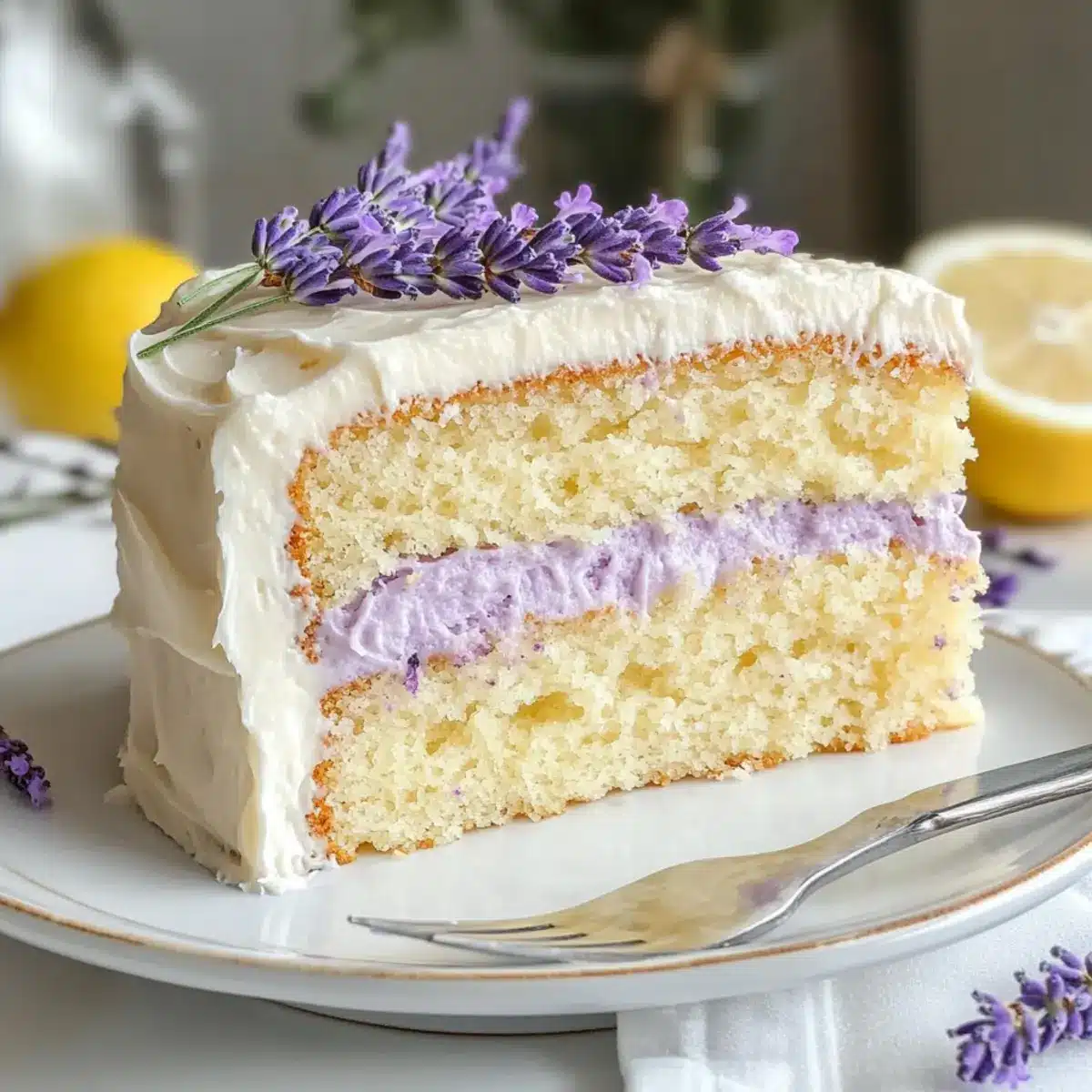
Why is Lemon Lavender Cake so special?
Uniqueness: The floral notes of lavender blend beautifully with the tartness of fresh lemon, creating a captivating flavor profile that’s both refreshing and sophisticated.
Versatile Ready: Perfect for various occasions, from afternoon tea to elegant celebrations, this cake can easily steal the spotlight on any dessert table.
Simple Steps: With straightforward instructions, anyone can create this elegant masterpiece at home—ideal for both novice bakers and seasoned chefs.
Adaptability: Want a gluten-free twist? Simply substitute with a gluten-free flour blend, keeping the aromatic charm intact.
Delicious Pairings: Pair it with a soothing cup of tea or a vibrant lemonade for a delightful dessert experience. If you love citrusy treats, don’t forget to check out my recipe for Lemon Garlic Chicken or the utterly delightful Chai Cake Spice that can complement this cake perfectly!
Lemon Lavender Cake Ingredients
For the Cake
• 2 ½ cups all-purpose flour – Provides structure and body; substitute with gluten-free flour blend for a gluten-free option.
• 2 teaspoons baking powder – Acts as a leavening agent for rise.
• ½ teaspoon baking soda – Ensures a light and fluffy cake.
• ½ teaspoon salt – Balances sweetness and enhances overall flavor.
• ½ cup unsalted butter (softened) – Adds moisture and richness to the texture.
• 1 ½ cups granulated sugar – Sweetener that helps aerate when creamed with butter.
• 3 large eggs – Essential for providing structure and moisture.
• 1 tablespoon finely grated lemon zest – Infuses brightness and intense flavor.
• ¼ cup fresh lemon juice – Adds acidity, enhancing the cake’s overall flavor.
• 1 cup whole milk – Incorporates moisture; can be substituted with plant-based milk.
• 2 tablespoons dried lavender buds (culinary grade) – Infuses floral notes into the cake.
• 1 teaspoon vanilla extract – Amplifies the overall flavor profile.
For the Lemon Lavender Glaze
• 1 ½ cups powdered sugar – Forms the sweet base for the glaze.
• 2 tablespoons fresh lemon juice – Provides acidity and flavor.
• 1 tablespoon lemon zest – Enhances the lemon flavor in the glaze.
• 1 tablespoon dried lavender buds (culinary grade) – Integrates floral notes into the glaze for a cohesive taste.
For the Lemon Buttercream Frosting
• ½ cup unsalted butter (softened) – Serves as the creamy base for the frosting.
• 4 cups powdered sugar – Sweetens and thickens the frosting to the desired consistency.
• 2 tablespoons heavy cream – Adds richness and a smooth texture to the frosting.
• 2 tablespoons fresh lemon juice – Balances sweetness with refreshing acidity.
• 1 tablespoon lemon zest – Intensifies the lemon flavor in the frosting.
• 1 tablespoon dried lavender buds (culinary grade) – Provides aromatic flavor, echoing the cake’s essence.
• Pinch of salt – Enhances sweetness and balances the flavors throughout the frosting.
Embrace the delightful fusion of lemon and lavender with these carefully selected ingredients tailored for baking a Lemon Lavender Cake!
Step‑by‑Step Instructions for Lemon Lavender Cake
Step 1: Preheat the Oven
Begin by preheating your oven to 350°F (175°C). While the oven warms up, prepare two 9-inch round cake pans by greasing them with butter and lightly dusting with flour, or by lining them with parchment paper. This ensures your Lemon Lavender Cake easily releases after baking, giving you that perfect, smooth surface.
Step 2: Infuse the Milk
In a small saucepan, combine the milk and 2 tablespoons of dried lavender buds. Heat over medium-low for about 5 minutes, allowing the milk to warm and the lavender to infuse its aroma. Once done, remove it from heat, strain out the lavender, and let the infused milk cool to room temperature.
Step 3: Mix the Dry Ingredients
In a large mixing bowl, whisk together the all-purpose flour, baking powder, baking soda, and salt until evenly combined. Set this mixture aside as we prepare the wet ingredients. This step is crucial for the structure of your Lemon Lavender Cake, ensuring that it rises beautifully.
Step 4: Cream Butter and Sugar
Using an electric mixer, beat the softened unsalted butter and granulated sugar in a mixing bowl on medium speed. Continue mixing until the mixture is light and fluffy, which should take about 3-4 minutes. The creamy texture you achieve here is essential for a moist and airy cake.
Step 5: Incorporate Eggs and Flavors
Add the eggs one at a time to the creamed butter and sugar, mixing well after each addition. Then, stir in the finely grated lemon zest, fresh lemon juice, and vanilla extract. This combination not only enhances the flavor of your Lemon Lavender Cake but infuses it with the delightful essence of lemon and fragrant lavender.
Step 6: Combine Wet and Dry Ingredients
Gradually alternate adding the flour mixture and the cooled lavender-infused milk to the wet batter. Begin with the dry ingredients and end with them as well. Mix on low speed just until the ingredients are combined; be careful not to over-mix to keep your cake tender and light.
Step 7: Bake the Cake
Pour the prepared batter evenly into the two greased and floured cake pans. Place them in the preheated oven and bake for 25-30 minutes, or until a toothpick inserted into the center comes out clean. Watch for a slight golden color on top, which indicates your Lemon Lavender Cake is ready.
Step 8: Cool the Cakes
Once baked, remove the cakes from the oven and let them cool in the pans for about 10 minutes. Then, carefully invert them onto wire racks to cool completely. This step ensures that the cakes maintain their structure and prepares them for frosting.
Step 9: Make the Glaze
In a medium bowl, whisk together the powdered sugar, fresh lemon juice, lemon zest, and 1 tablespoon of dried lavender buds until smooth. This glaze will add a sweet and tangy finish to your cooled Lemon Lavender Cake, enhancing both flavor and presentation.
Step 10: Prepare the Frosting
To make the frosting, beat the softened butter until creamy using an electric mixer. Gradually add the powdered sugar, heavy cream, fresh lemon juice, lemon zest, and the remaining dried lavender buds. Mix until the frosting is smooth and fluffy, ready to lavishly adhere to your cake layers.
Step 11: Assemble the Cake
Place one cake layer on a serving plate and spread a generous layer of frosting on top. Carefully set the second cake layer on top, pressing it gently. Frost the top and sides of the entire cake, creating an elegant finish. Allow the glaze to drizzle over the top for an extra touch of delicious appeal.
Step 12: Garnish and Serve
To complete your Lemon Lavender Cake, garnish with a few more dried lavender buds on the top and edges for a beautiful presentation. Slice and serve as a stunning centerpiece for any occasion while delighting your guests with this aromatic and fresh dessert.
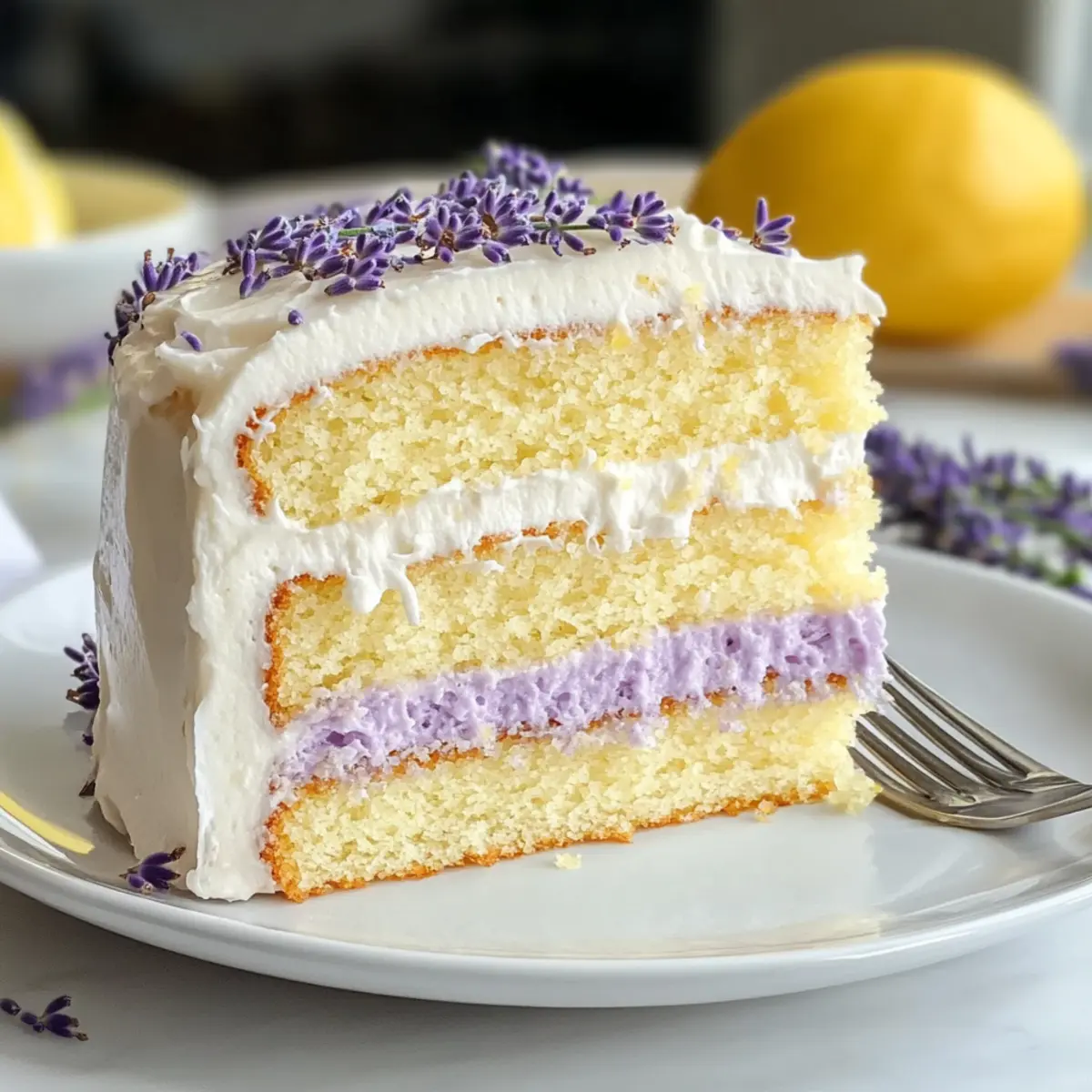
Expert Tips for Lemon Lavender Cake
-
Room Temperature Butter: Ensure your butter is at room temperature for optimal creaming, resulting in a light, fluffy cake texture.
-
Measure Flour Correctly: Avoid compacting the flour in your measuring cup. Use the spoon-and-level method for the perfect quantity, preventing a dense cake.
-
Infuse Wisely: When infusing lavender in milk, don’t overheat—it can become bitter. Keep it at a gentle simmer for just 5 minutes.
-
Cool Before Frosting: Let your cakes cool completely before frosting to prevent melting the buttercream and create a beautifully layered dessert.
-
Taste as You Go: Familiarize yourself with the flavor of lavender. Start with the dried buds and adjust accordingly, as they can easily overpower other flavors in your Lemon Lavender Cake.
What to Serve with Lemon Lavender Cake
A delightful dessert like this invites a full meal experience that tantalizes the senses.
- Earl Grey Tea: The bergamot notes in Earl Grey beautifully complement the floral lavender and zesty lemon in the cake, creating an elegant pairing.
- Fresh Berries: Juicy strawberries or blueberries add a burst of freshness and color, enhancing the dessert’s visual appeal and providing a sweet-tart balance.
- Lemon Sorbet: A refreshing lemon sorbet can cleanse the palate and elevate the citrus notes of the cake, making for a light yet satisfying dessert.
- Sparkling Lemonade: The fizz and sweetness of sparkling lemonade bring a festive touch, perfectly suited for gatherings or celebrations alongside this aromatic cake.
- Vanilla Ice Cream: Creamy vanilla ice cream adds a rich texture that beautifully contrasts the cake’s lightness and can temper the floral notes if desired.
- Almond Biscotti: These crunchy delights provide a nutty flavor, offering a satisfying texture juxtaposition that makes for a lovely afternoon treat with the cake.
- Whipped Cream: Lightly sweetened whipped cream creates a luxurious finish, adding airy creaminess that enhances each slice of your cake.
- Lavender-Infused Syrup: Drizzling lavender syrup over the cake heightens the floral aroma, reinforcing the cake’s essence and delighting your guests with its sophistication.
- Cheese Board: A selection of soft cheeses like goat cheese or brie pairs well, providing a savory contrast to the sweetness of the cake and inviting flavor exploration.
- Chocolate-Covered Strawberries: The rich chocolate contrasts beautifully with the floral and citrus notes, making an indulgent yet harmonious dessert experience.
Make Ahead Options
These Lemon Lavender Cake layers are perfect for busy home cooks looking to save time during the week! You can bake the cake layers up to 2 days in advance; simply cool them completely before wrapping them tightly in plastic wrap and storing them in the refrigerator. This keeps them fresh and moist, allowing you to frost them just before serving for that delightful, just-baked taste. The lemon lavender glaze can also be prepared up to 3 days ahead—store it in an airtight container in the fridge. When you’re ready to serve, simply frost the chilled layers and drizzle with the glaze for a stunning finish. Enjoy the convenience and impressive flavors of this aromatic dessert!
Lemon Lavender Cake Variations
Feel free to explore these delightful twists on the classic Lemon Lavender Cake to discover even more delicious possibilities!
-
Gluten-Free: Substitute all-purpose flour with a gluten-free flour blend for a cake that’s equally tender and delicious.
-
Berry Burst: Add a handful of fresh berries to the batter for a pop of color and an added layer of flavor. Blueberries or raspberries would be particularly lovely.
-
Citrus Twist: Experiment with different citrus zests like orange or lime to impart unique flavors. Each brings its own lush personality, highlighting the cake’s bright character.
-
Lavender Lemonade: Infuse some of the lavender and lemon juice into a refreshing avocado or herbal lemonade, creating a perfect pairing for your cake.
-
Chai Spice: Mix in a pinch of chai spice powder into the batter for a warm, comforting flavor. The spices will beautifully complement the lavender, giving a nod to cozy autumn days.
-
Nutty Crunch: Fold in finely chopped nuts, such as almonds or pistachios, into the batter for a lovely added texture. The crunchiness elevates the moistness of your cake even further.
-
Buttercream Variation: Try adding a hint of almond extract or even a splash of amaretto liqueur to the buttercream frosting for a delightful augmentation that will enchant your guests.
-
Layered Delight: Create a stunning dessert by layering this cake with a light lemon cream or custard in between the cake layers. This luscious filling will enhance your cake’s flavor profile dramatically.
With all these variations, your Lemon Lavender Cake will be more than a dessert; it becomes an experience! For additional inspiration, how about pairing a slice of cake with a delightful cup of tea or serving it alongside my Chai Cake Spice for an impressive dessert spread?
How to Store and Freeze Lemon Lavender Cake
Airtight Container: Keep the cake in an airtight container at room temperature for up to 3 days to maintain freshness.
Refrigeration: If you prefer, refrigerate the cake for up to a week; however, this may slightly alter the texture. Ensure it’s well-wrapped to prevent drying.
Freezing: To freeze, wrap the cooled cake layers tightly in plastic wrap and place them in a freezer-safe bag. They can be frozen for up to 3 months.
Thawing Instructions: When ready to enjoy, thaw the frozen cake in the refrigerator overnight, and then bring it to room temperature before serving for the best flavor and texture.
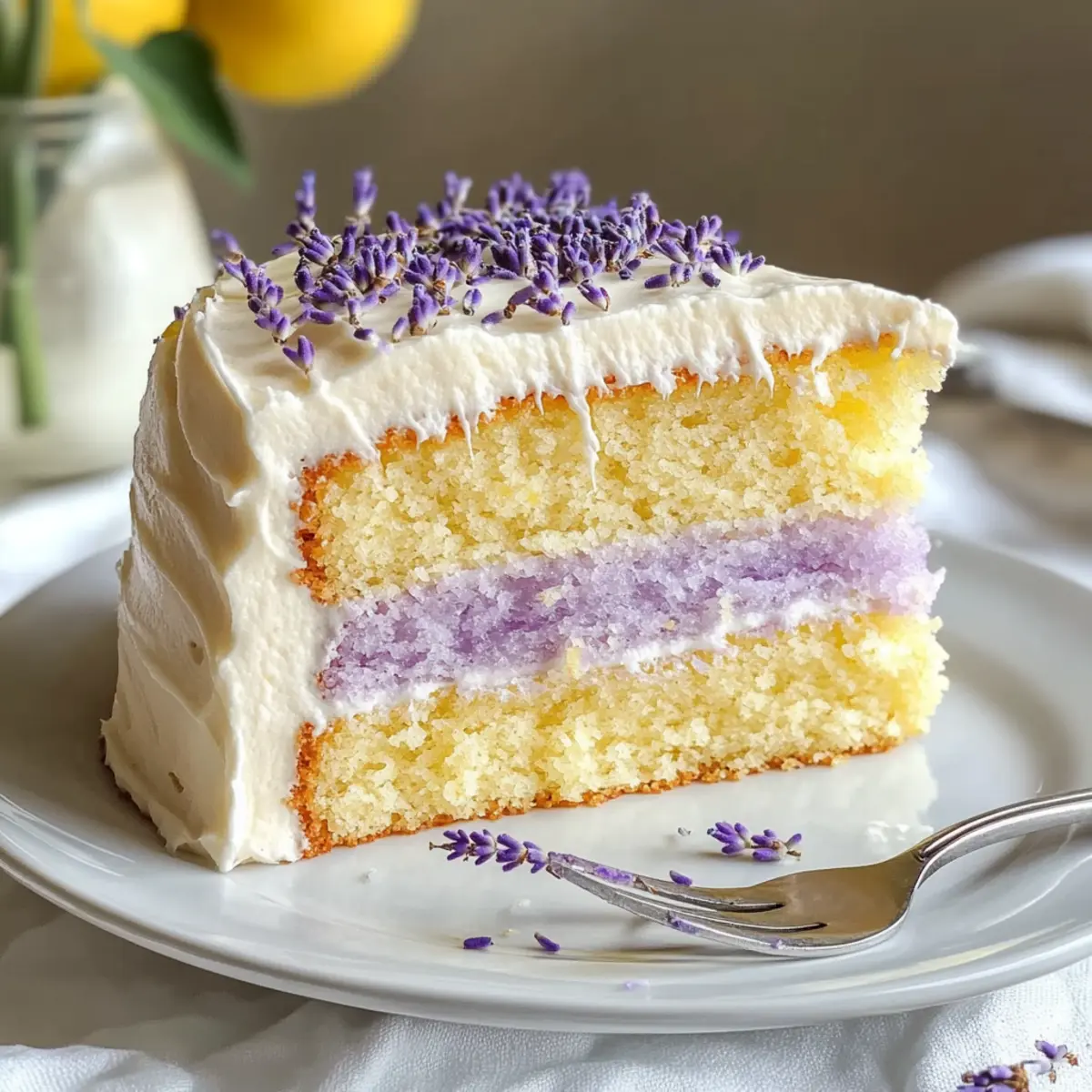
Lemon Lavender Cake Recipe FAQs
How do I select the right lavender for my cake?
Absolutely! When choosing lavender for your Lemon Lavender Cake, ensure you select culinary-grade dried lavender buds. Look for buds that are vibrant in color and have a strong fragrance. Avoid using lavender from florists or gardens that may have been treated with chemicals. If you’re unsure, check specialty markets or online stores that specifically sell culinary herbs.
How should I store my Lemon Lavender Cake?
To keep your Lemon Lavender Cake fresh, store it in an airtight container at room temperature for up to 3 days. If you don’t plan on finishing it within that time, refrigerate it for up to a week. Just be sure to wrap it well to prevent drying—using plastic wrap or a cake dome works beautifully!
Can I freeze the Lemon Lavender Cake? What’s the best way?
Yes, you can definitely freeze your Lemon Lavender Cake! Once cooled, wrap each cake layer tightly in plastic wrap to prevent freezer burn. Place the wrapped layers in a freezer-safe bag or container. They can be stored in the freezer for up to 3 months. When you’re ready to enjoy, simply thaw them overnight in the refrigerator, then bring them to room temperature before frosting.
What if my cake doesn’t rise properly?
If your Lemon Lavender Cake doesn’t rise, don’t fret! This could be due to expired baking powder or baking soda. Always check the dates on your leavening agents before using them. Additionally, avoid overmixing the batter; mixing too much can lead to a dense cake. Lastly, make sure your ingredients are at room temperature before mixing, as this helps create a better emulsion and air incorporation.
Is this cake suitable for those with gluten allergies?
Yes, it can easily be made gluten-free! Simply substitute the all-purpose flour with a gluten-free flour blend. Look for a mix that contains xanthan gum, which mimics the texture of gluten. I often recommend testing with a trusted gluten-free brand to ensure the best results, as different blends can behave differently in baking.
Can dogs eat any of the ingredients in this cake?
No, it’s best to avoid giving your dog any of the ingredients in this Lemon Lavender Cake. While plain cooked lemon is safe in small amounts, sugar and butter can be harmful to pets in large quantities, and lavender can be toxic to dogs. Stick to pet-friendly treats and keep this delightful cake all for yourself!
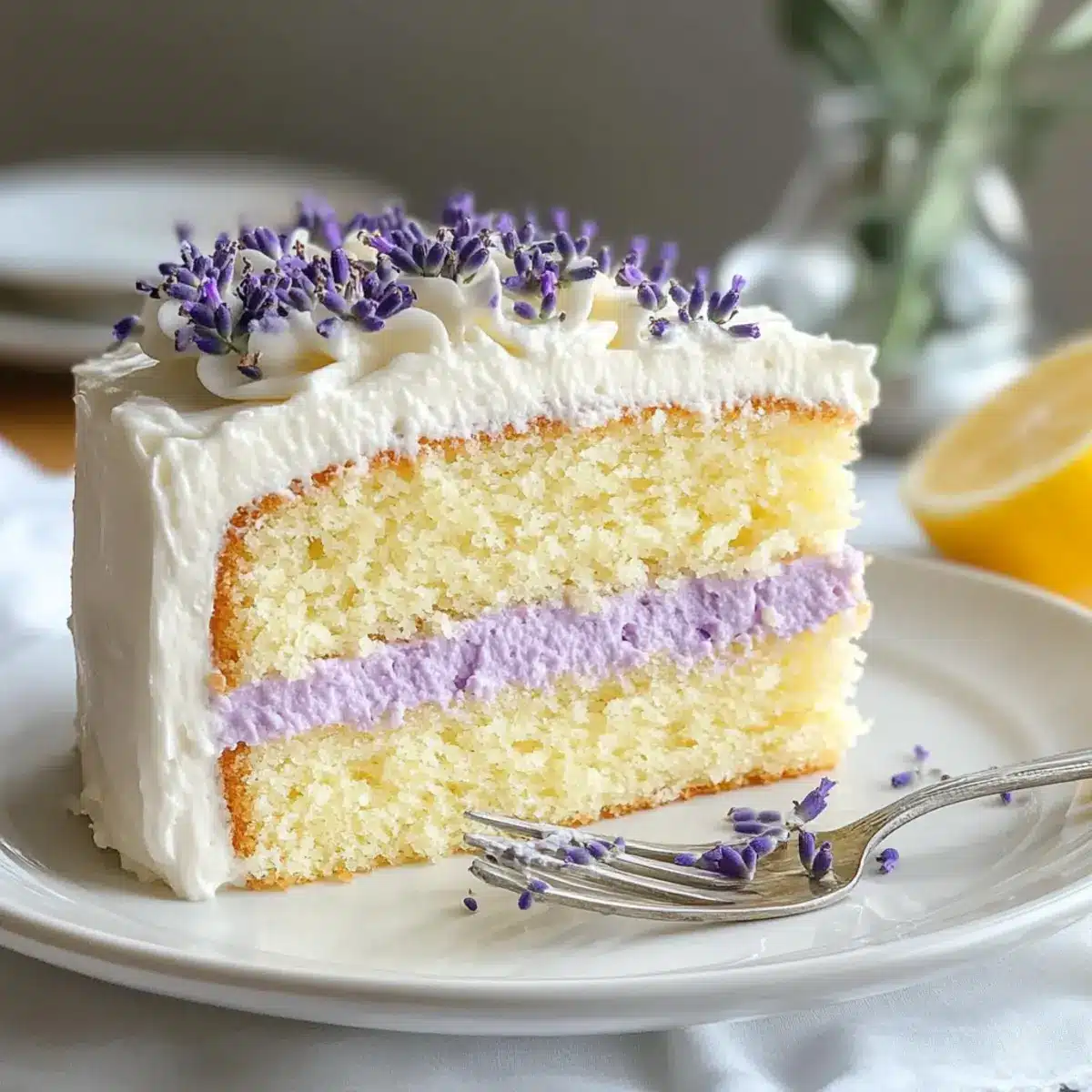
Lemon Lavender Cake: A Refreshing Twist on Classic Desserts
Ingredients
Equipment
Method
- Preheat your oven to 350°F (175°C) and prepare two 9-inch round cake pans by greasing them.
- Infuse the milk with dried lavender buds over medium-low heat for 5 minutes, strain, and cool.
- Mix the dry ingredients: all-purpose flour, baking powder, baking soda, and salt in a large bowl.
- Cream the softened butter and granulated sugar until light and fluffy, about 3-4 minutes.
- Add eggs one at a time, mixing in lemon zest, lemon juice, and vanilla extract.
- Combine the wet and dry ingredients alternately with the cooled lavender-infused milk.
- Pour the batter evenly into the prepared pans and bake for 25-30 minutes.
- Cool in the pans for 10 minutes, then invert onto wire racks to cool completely.
- Mix powdered sugar, fresh lemon juice, lemon zest, and dried lavender buds to make the glaze.
- Beat softened butter until creamy, gradually add powdered sugar, heavy cream, fresh lemon juice, lemon zest, and lavender buds.
- On a serving plate, layer frosting between cake layers, frost the entire cake, and drizzle with glaze.
- Garnish with dried lavender buds and serve.
Leave a Reply