
In the bustling heart of my kitchen, the air fills with a tantalizing aroma that transports me straight to the vibrant streets of Seoul—this is the magic of Sticky Korean Gochujang Chicken. With juicy, tender chicken pieces enveloped in that signature thick, crimson sauce, each bite delivers a delightful balance of spicy heat and sticky sweetness. This recipe isn’t just a meal; it’s a joyous escape from fast food, bringing high-end bistro flavors to your home in just under 30 minutes. Not only is it a breeze to whip up, but it also transforms your dinner into a show-stopping affair that friends and family will rave about. Ready to bring a taste of Korea to your table? Let’s dive into this flavorful journey!
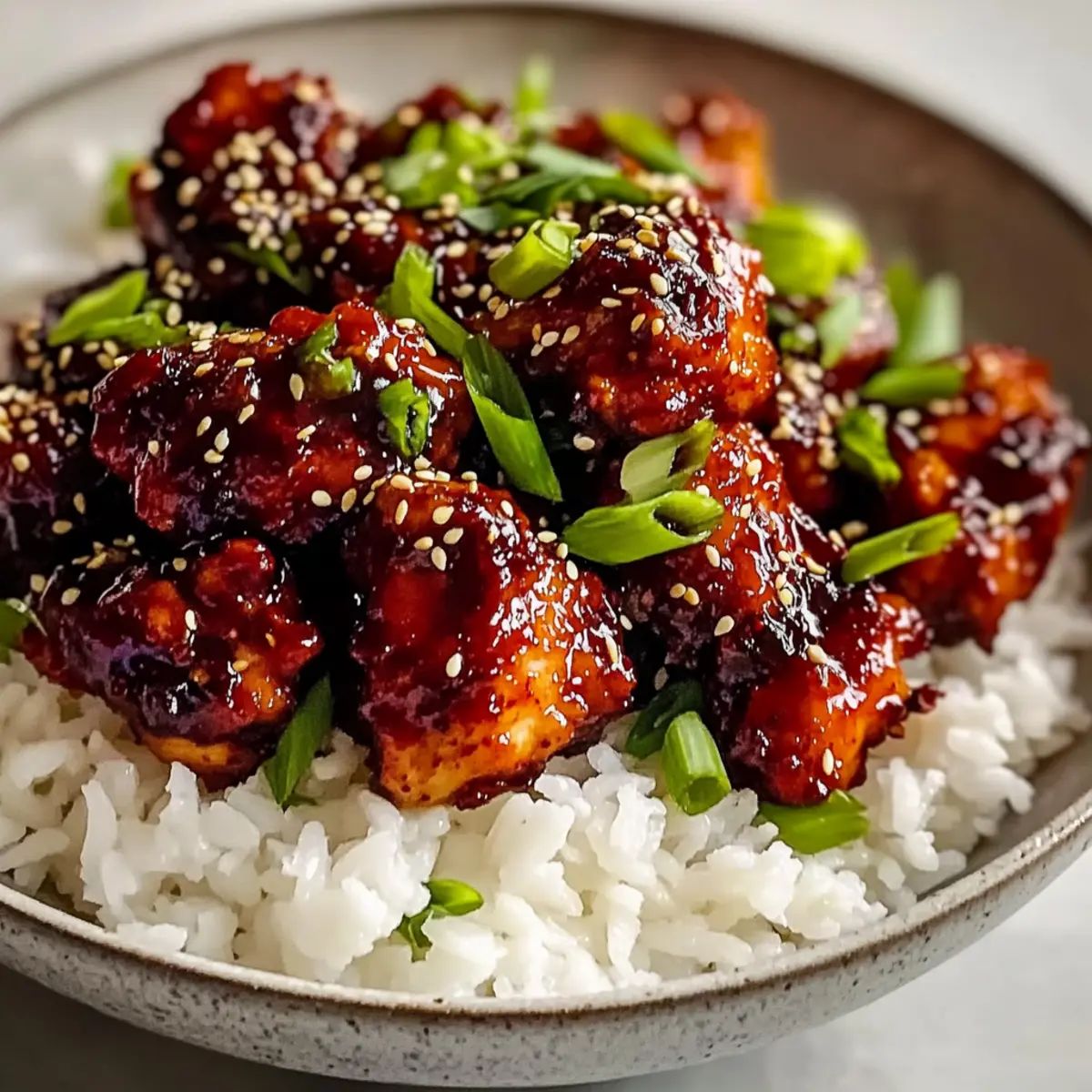
Why is Gochujang Chicken so irresistible?
Flavor Explosion: The Sticky Korean Gochujang Chicken offers a stunning blend of spicy heat and sweet caramelization that dances on your palate.
Quick and Easy: With just 30 minutes in the kitchen, you can serve up this mouthwatering dish that will impress your dinner guests without the fuss.
Crowd Pleaser: Its rich flavor profile and gorgeous presentation make it perfect for gatherings, turning any meal into a special occasion.
Versatile Meal Base: Pair it with fluffy white rice or merge it with fresh veggies for a balanced dinner. Feeling adventurous? Try it alongside a spicy cucumber salad, which beautifully complements the dish’s flavors.
Authentic Taste: This recipe encapsulates the essence of Korean cuisine, satisfying cravings for authentic flavors without leaving your home.
Get ready to experience a delightful twist to your weekly dinner routine!
Sticky Korean Gochujang Chicken Ingredients
For the Chicken
• Boneless Skinless Chicken Thighs – The juiciest option that locks in flavor; chicken breasts can be used but may be drier.
• Cornstarch – Essential for creating a crispy coating that holds onto our sticky sauce beautifully.
• Neutral Oil (Canola or Avocado) – Needed for searing the chicken at high temperatures without burning.
For the Sauce
• Gochujang (Korean Chili Paste) – The heart of this dish that provides authentic heat and deep red color; a must-have for true flavor.
• Soy Sauce (Regular or Low Sodium) – Adds umami richness that enhances the overall taste of the sauce.
• Honey or Brown Sugar – Balances the spiciness of gochujang and helps create that sticky, caramelized coating.
• Rice Vinegar – Introduces a tangy brightness that lifts the sauce and complements the sweetness.
• Garlic (Minced) & Fresh Ginger (Grated) – Fresh aromatics that add complexity and depth to the sauce.
• Toasted Sesame Oil – Gives your sauce a warm, nutty aroma that rounds out the flavors.
• Water – Thins the sauce before you cook it down to perfection.
For Serving
• Fluffy White Steamed Rice – A perfect base that soaks up the rich sauce.
• Toasted White Sesame Seeds – Provides a delightful crunch and a polished look as a garnish.
• Green Scallions (Freshly Sliced) – Adds a refreshing, crisp element that contrasts beautifully with the dish’s richness.
Step‑by‑Step Instructions for Sticky Korean Gochujang Chicken
Step 1: Prep Chicken
Begin by patting the boneless skinless chicken thighs dry with paper towels to ensure a good sear. Season the chicken with kosher salt, freshly cracked black pepper, and cornstarch, tossing until each piece is evenly coated. This helps create a crispy exterior when seared, which is essential for the perfect Sticky Korean Gochujang Chicken.
Step 2: Sear Chicken
In a large skillet, heat a tablespoon of neutral oil over medium-high heat until shimmering. Carefully add the coated chicken thighs in a single layer, taking care not to crowd the pan. Sear undisturbed for 4-5 minutes, allowing the chicken to develop a golden-brown crust. This step is crucial for achieving that mouthwatering texture before flipping.
Step 3: Make Sauce
While the chicken is searing, combine gochujang, soy sauce, honey (or brown sugar), rice vinegar, minced garlic, grated ginger, toasted sesame oil, and a splash of water in a small bowl. Whisk these ingredients until smooth and well combined. This sweet and spicy sauce will perfectly coat the chicken, enhancing the dish’s flavor profile.
Step 4: Combine Chicken and Sauce
Once the chicken is golden, reduce the heat to medium and pour the prepared sauce over the chicken in the skillet. Stir continuously for 2-3 minutes, allowing the sauce to thicken and envelop the chicken. Look for the sauce to become glossy and sticky, perfectly binding the crispy chicken pieces together.
Step 5: Serve
Remove the skillet from heat and serve your delicious Sticky Korean Gochujang Chicken over a bed of fluffy white steamed rice. Garnish generously with toasted sesame seeds and freshly sliced green scallions for added color and texture. The combination of flavors and aromas will surely delight everyone at the table!
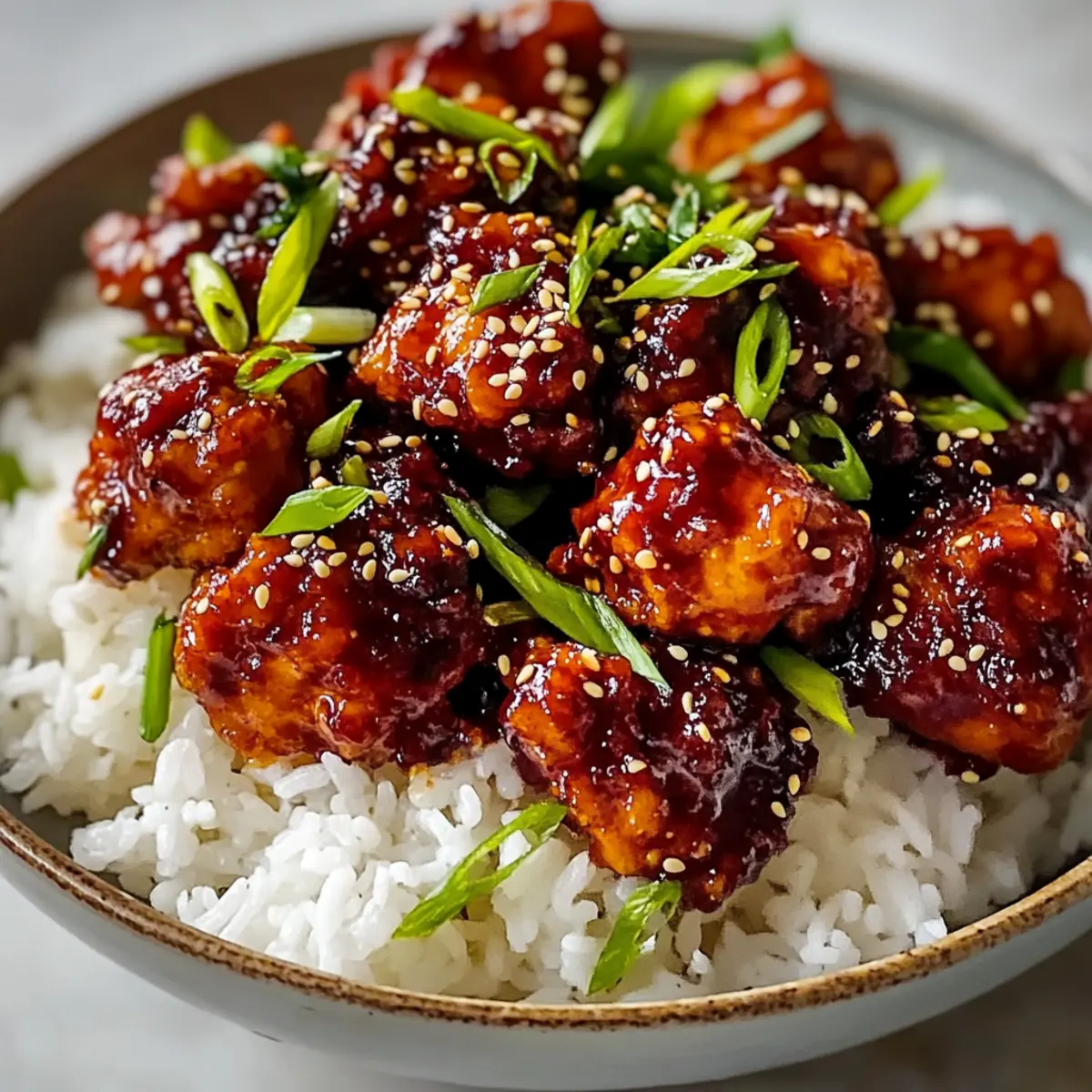
Make Ahead Options
These Sticky Korean Gochujang Chicken are perfect for busy home cooks looking to save time during the week! You can prep the chicken by patting it dry, seasoning it, and tossing it with cornstarch up to 24 hours in advance; simply cover and refrigerate until ready to sear. The sauce can also be made and stored in an airtight container up to 3 days ahead, allowing the flavors to meld beautifully. To maintain quality, remember not to mix the sauce with the chicken until just before cooking. When ready to serve, sauté the chicken as directed and coat it with the sauce for a quick, delicious meal that’s just as flavorful as if you made it fresh!
What to Serve with Sticky Korean Gochujang Chicken
Elevate your dining experience by pairing this flavorful dish with complimentary sides that enhance its sweet and spicy profile.
- Fluffy White Rice: Serves as the ideal canvas for the sticky sauce, soaking up all the delightful flavors and enriching each bite.
- Spicy Cucumber Salad: A refreshing, crunchy side that offers a cooling contrast to the heat of the chicken, making each mouthful a balanced delight.
- Steamed Broccoli: Bright green florets not only add vibrant color but also a nutritious crunch that pairs beautifully with the dish’s rich sauce.
- Miso Soup: This warm, savory broth acts as a comforting counterpart, creating an enjoyable balance with the dish’s robust flavor profile.
- Sesame Noodles: Silky noodles tossed in sesame oil and garlic complement the Korean spices, making for a delightful and satisfying addition to your meal.
- Korean Kimchi: This fermented, tangy side not only brings an authentic Korean touch but also a delightful contrast of flavors that enhances the chicken’s sweetness.
- Pineapple Chunks: For dessert, fresh pineapple adds a sweet and tropical finish that cleanses the palate after the spicy savories.
- Soju or Korean Beer: Both beverages pair excellently with Korean dishes, bringing out the flavors while providing a refreshing complement to the meal.
How to Store and Freeze Sticky Korean Gochujang Chicken
Fridge: Store leftover sticky Korean gochujang chicken in an airtight container for up to 4 days, ensuring it remains flavorful and moist.
Freezer: To freeze, place the chicken in a freezer-safe container or bag, separating portions if desired. It can be stored for up to 2 months; just make sure to remove excess air before sealing.
Reheating: When ready to enjoy, reheat the chicken in the microwave with a splash of water to maintain its moisture, stirring occasionally until heated through.
Rice Storage: Keep rice separate when storing leftovers to prevent it from becoming mushy; reheating it separately keeps it fluffy and perfect for serving!
Sticky Korean Gochujang Chicken Variations
Feel free to adapt this recipe to suit your taste buds or dietary needs—these variations will spice things up in delightful ways!
-
Breast Swap: Use chicken breasts for a leaner cut; adjust cooking time to ensure they stay juicy.
-
Gluten-Free Option: Replace soy sauce with tamari, making this dish suitable for gluten-sensitive diners.
-
Spice It Up: Increase the gochujang for those who crave more heat; your taste buds will thank you!
-
Vegetarian Delight: Substitute chicken with crispy tofu or tempeh, allowing the sauce to infuse a savory flavor.
-
Hot Pepper Kick: Add sliced fresh chili peppers for an extra burst of heat; it elevates the dish into a delightful spicy realm.
-
Sesame Twist: Enhance the nuttiness by folding in toasted sesame seeds into the sauce for an added crunch.
-
Citrus Zest: Introduce a squeeze of lime or lemon juice at the end to brighten flavors and give a refreshing zing.
-
Asian Fusion: Pair this sticky delight with zoodles or a bed of quinoa instead of rice; it adds a wonderful twist to the meal.
If you’re looking to continue exploring flavors, why not try pairing this with Greek Chicken Meatballs or a refreshing Honey Dijon Chicken? Each of these options introduces delightful new profiles that mesh beautifully with the essence of Korean cuisine!
Expert Tips for Sticky Korean Gochujang Chicken
• Drying is Key: Pat your chicken thighs thoroughly with paper towels to achieve that perfect sear and crispy texture.
• Avoid Steaming: Don’t overcrowd the skillet! Cook in batches if needed to prevent the chicken from steaming instead of searing.
• Timing Matters: Allow the chicken to sear undisturbed for a rich golden crust, avoiding the temptation to flip it too soon.
• Sauce Consistency: Ensure the sauce is well-mixed and smooth before adding it to the chicken; this guarantees a consistent coating of your Sticky Korean Gochujang Chicken.
• Customize the Heat: Adjust the quantity of gochujang based on your spice tolerance for a more personalized flavor experience.
• Finishing Touches: For extra flair, top your dish with a sprinkle of sesame seeds and scallions to elevate both taste and presentation!
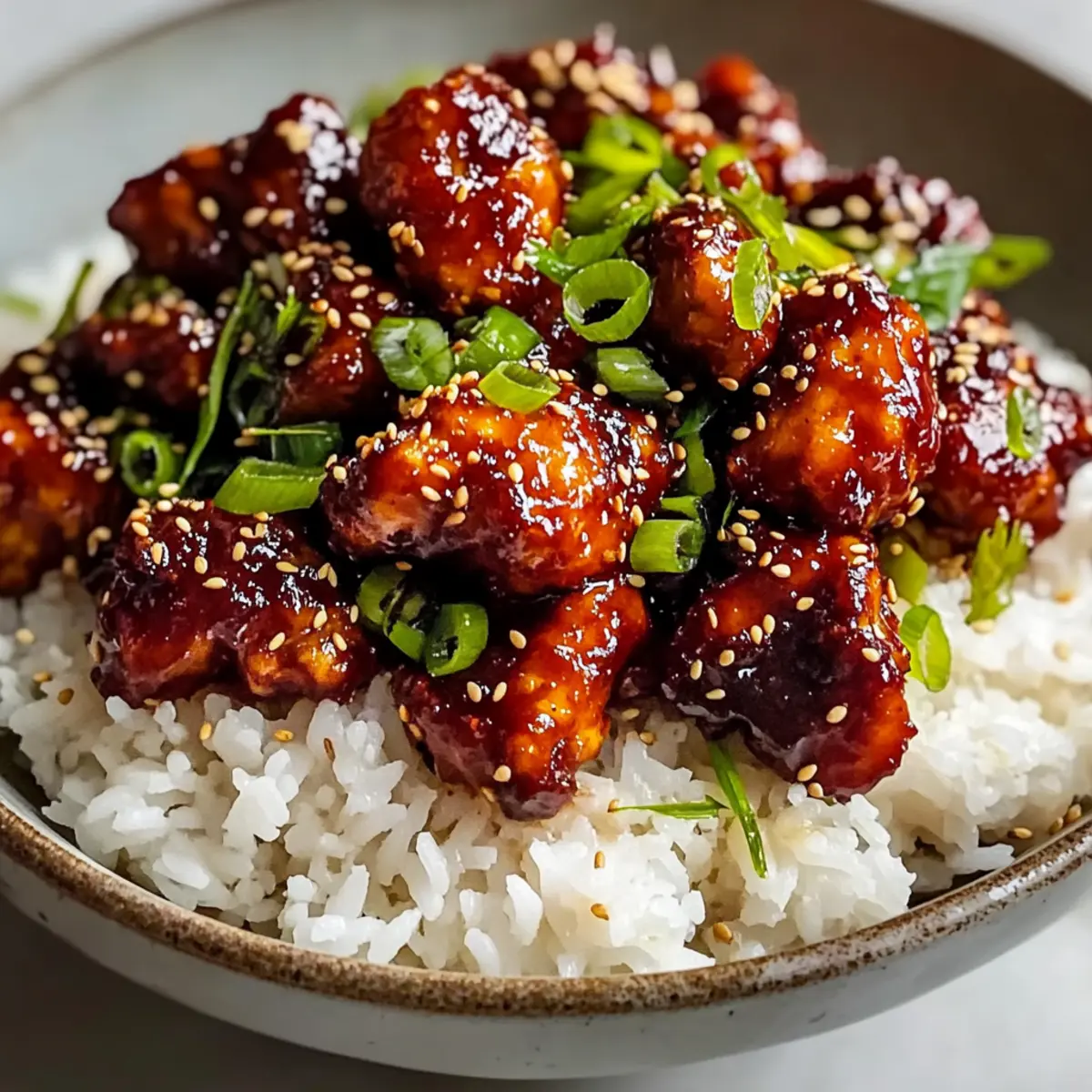
Sticky Korean Gochujang Chicken Recipe FAQs
What type of chicken is best for this recipe?
Absolutely! For the best results, I highly recommend using boneless skinless chicken thighs. They have a higher fat content, which keeps the chicken juicy and tender. If you prefer a leaner option, you can use chicken breasts, but they might dry out a bit more during cooking.
How do I store leftovers?
To store your Sticky Korean Gochujang Chicken, place it in an airtight container and refrigerate for up to 4 days. Make sure to keep the rice separate to maintain its texture. This way, the chicken will remain flavorful and delicious when you reheat it!
Can I freeze this dish?
Yes, you can freeze your Sticky Korean Gochujang Chicken! For freezing, transfer the chicken into a freezer-safe container or bag, ensuring you remove as much air as possible to prevent freezer burn. It can be frozen for up to 2 months. When you’re ready to eat, simply thaw it overnight in the fridge, then reheat as mentioned.
What if my sauce is too thick when cooking?
If you find that your sauce is becoming too thick while cooking, don’t worry! You can easily adjust its consistency. Just add a tablespoon of water at a time to the sauce in the skillet, stirring well until it reaches your desired thickness. This way, you maintain that beautiful sticky texture without it becoming too dry!
Is Gochujang suitable for all diets?
While Gochujang is a fantastic ingredient, it’s important to note that it contains fermented soy, which could pose issues for soy allergies. Additionally, it is not gluten-free, so if you’re accommodating gluten sensitivity, you might want to substitute it with tamari or a gluten-free chili paste. Always check dietary restrictions based on your family and friends!
How can I enhance the flavor of the chicken?
To take your Sticky Korean Gochujang Chicken to the next level, marinate the chicken in a bit of soy sauce, minced garlic, and grated ginger for at least 30 minutes before cooking. This infuses the meat with flavor and elevates the dish even more. Enjoy the flavors of Korea with every delicious bite!
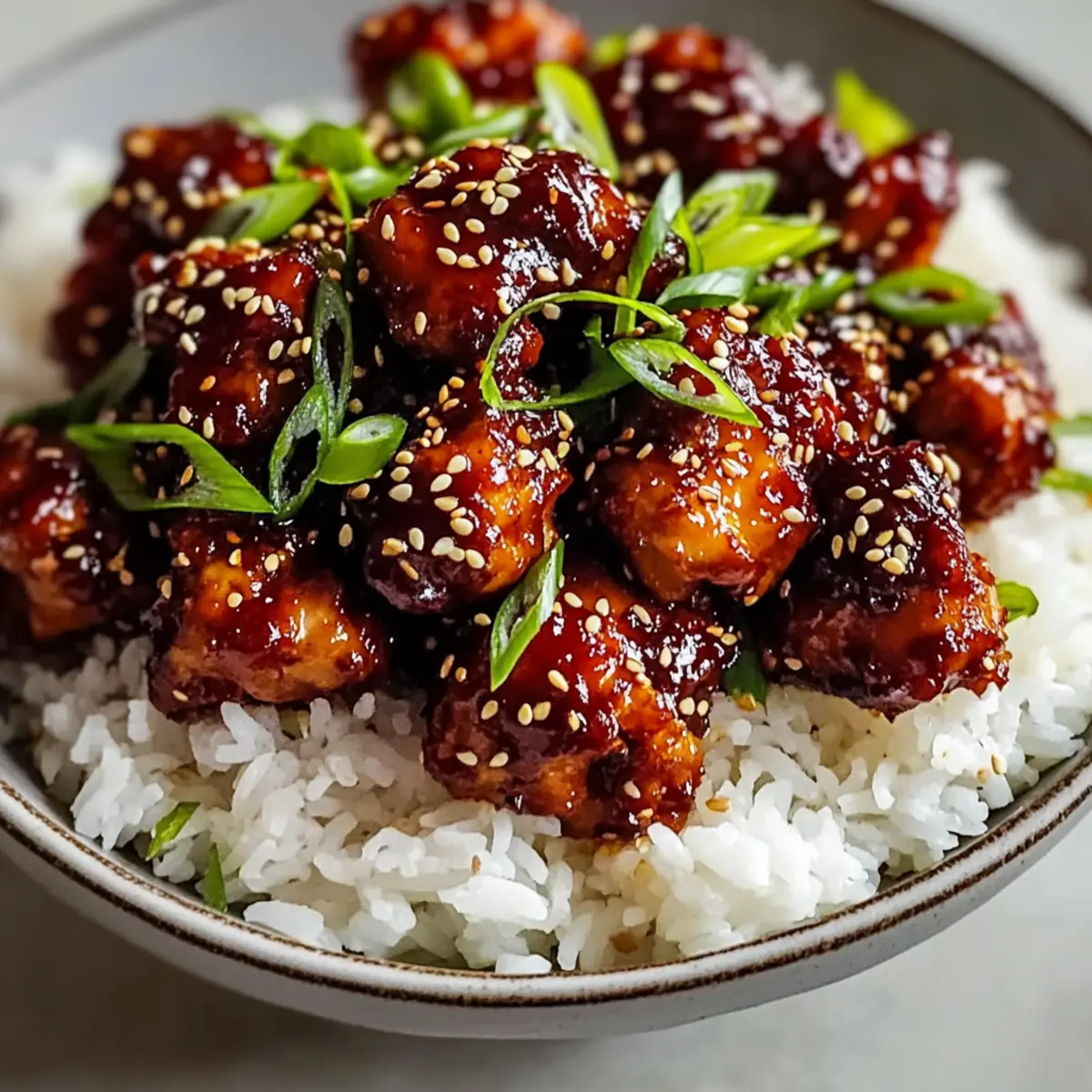
Sticky Korean Gochujang Chicken for a Flavor Explosion
Ingredients
Equipment
Method
- Pat the chicken thighs dry and season with salt, pepper, and cornstarch.
- Heat oil in a skillet and sear the chicken for 4-5 minutes until golden.
- Mix sauce ingredients in a bowl until smooth.
- Pour sauce over chicken, stir for 2-3 minutes until thickened.
- Serve over rice and garnish with sesame seeds and scallions.
Leave a Reply